First World Chinese Essay Competition Study Tour Launches in Beijing
· Texte original en anglais
RubriquesVoyages d’études internationauxConcours mondial de rédaction en chinois


Walking China
Sustaining Cultural Heritage

On the evening of 23 July, the launch event and opening ceremony of the first World Chinese Essay Competition Study Tour—under the theme 'Walking China, Sustaining Cultural Heritage'—took place in Beijing. Organised jointly by the Global Association of Cultural and Educational Exchange (GACEE) and the *Zhongxuesheng Xuexi Bao* (Middle School Students' Study Paper), the event brought together young students, parents and accompanying teachers from ten countries worldwide to Beijing for a cross-cultural journey linking civilisations and sustaining cultural heritage. This initiative extends the first World Chinese Essay Competition and embodies a practical response to the call to 'promote mutual learning among civilisations and tell China’s stories well', building a bridge of cultural resonance anchored in the Chinese language for youth globally.
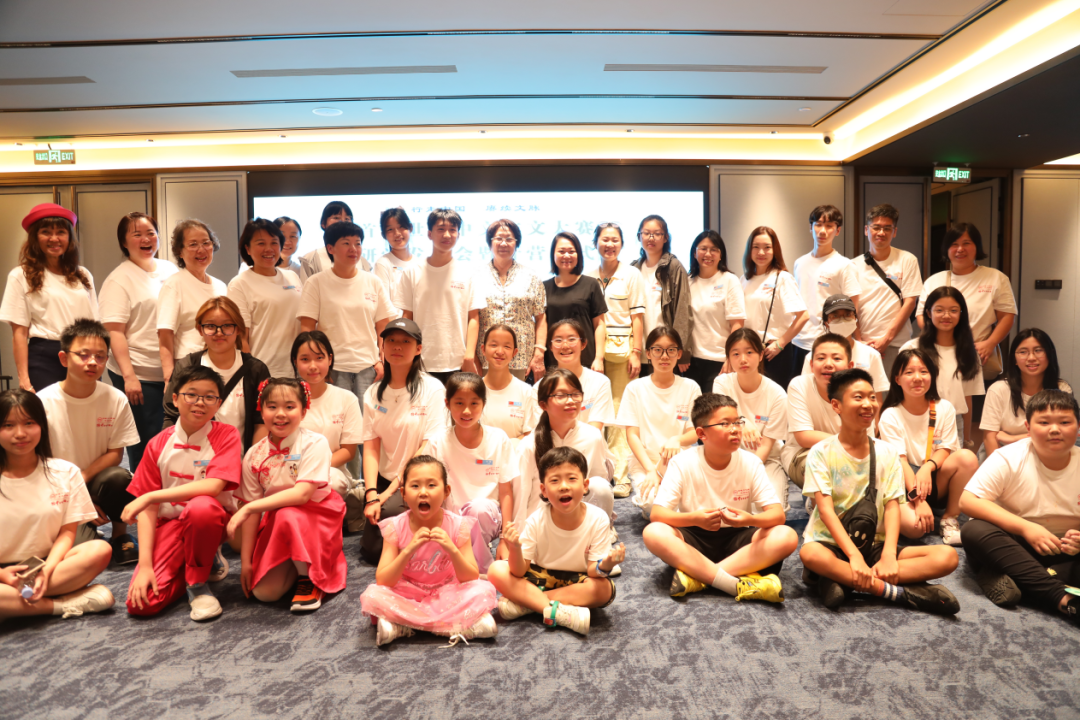
Immersive intangible cultural heritage (ICH) experiences: Making heritage tangible
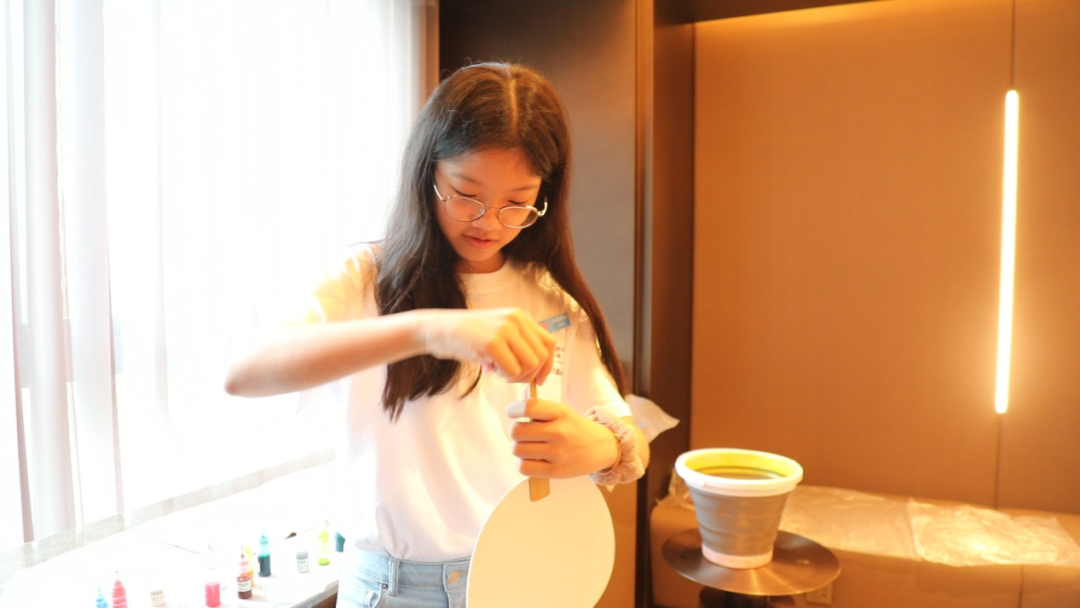
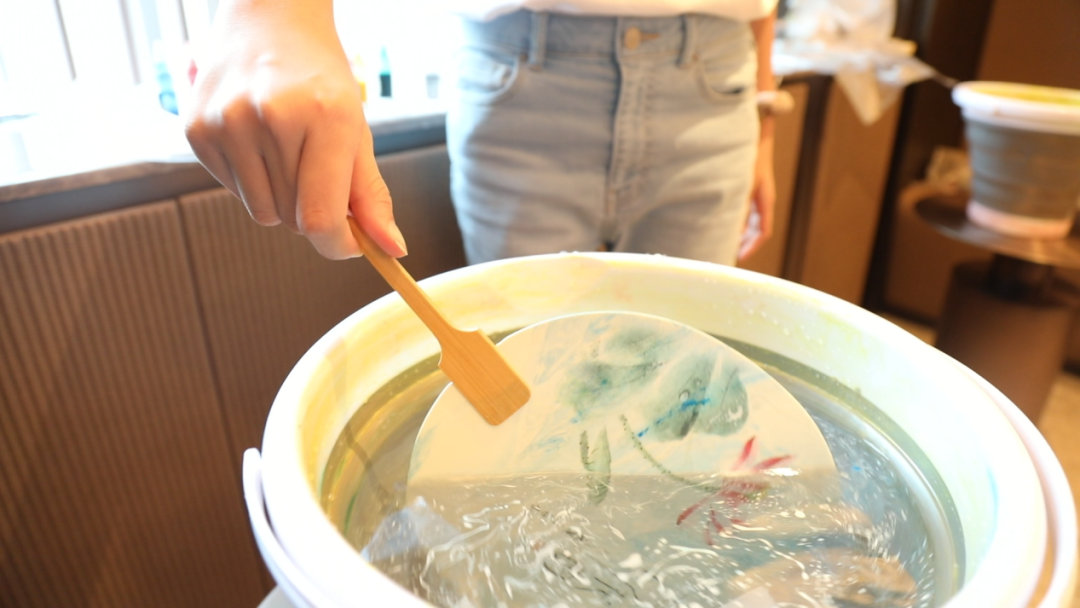
Prior to the opening ceremony, the organiser’s thoughtfully designed ICH experience zone became the focal point, transforming the concept of 'touching culture' into vivid practice. At the lacquer fan-making station, students from China and abroad held plain white fans, gently rotating them in lacquer bowls to produce poetic, kaleidoscopic patterns on their surfaces. In the tuhu (ancient arrow-tossing game) area, children held their breath as they tossed arrows, collectively experiencing the traditional wisdom behind the saying 'the archer hits the mark; the player wins the game'. During the poetry bookmark-making session, students from various countries fused Chinese character culture with local artistic styles to create unique cultural tokens. A guest remarked: 'Today, we are not merely experiencing ICH techniques—we are feeling the enduring pulse of Chinese civilisation. The shimmer on lacquer fans, the ritual elegance of tuhu, and the ink strokes on bookmarks all represent living, contemporary expressions of a five-thousand-year-old cultural lineage. ICH is not a museum specimen but a dialogue across time and space—the immersive experience of students from home and abroad is precisely what brings cultural heritage to life, making abstract heritage tangible and traditional wisdom a global language.'
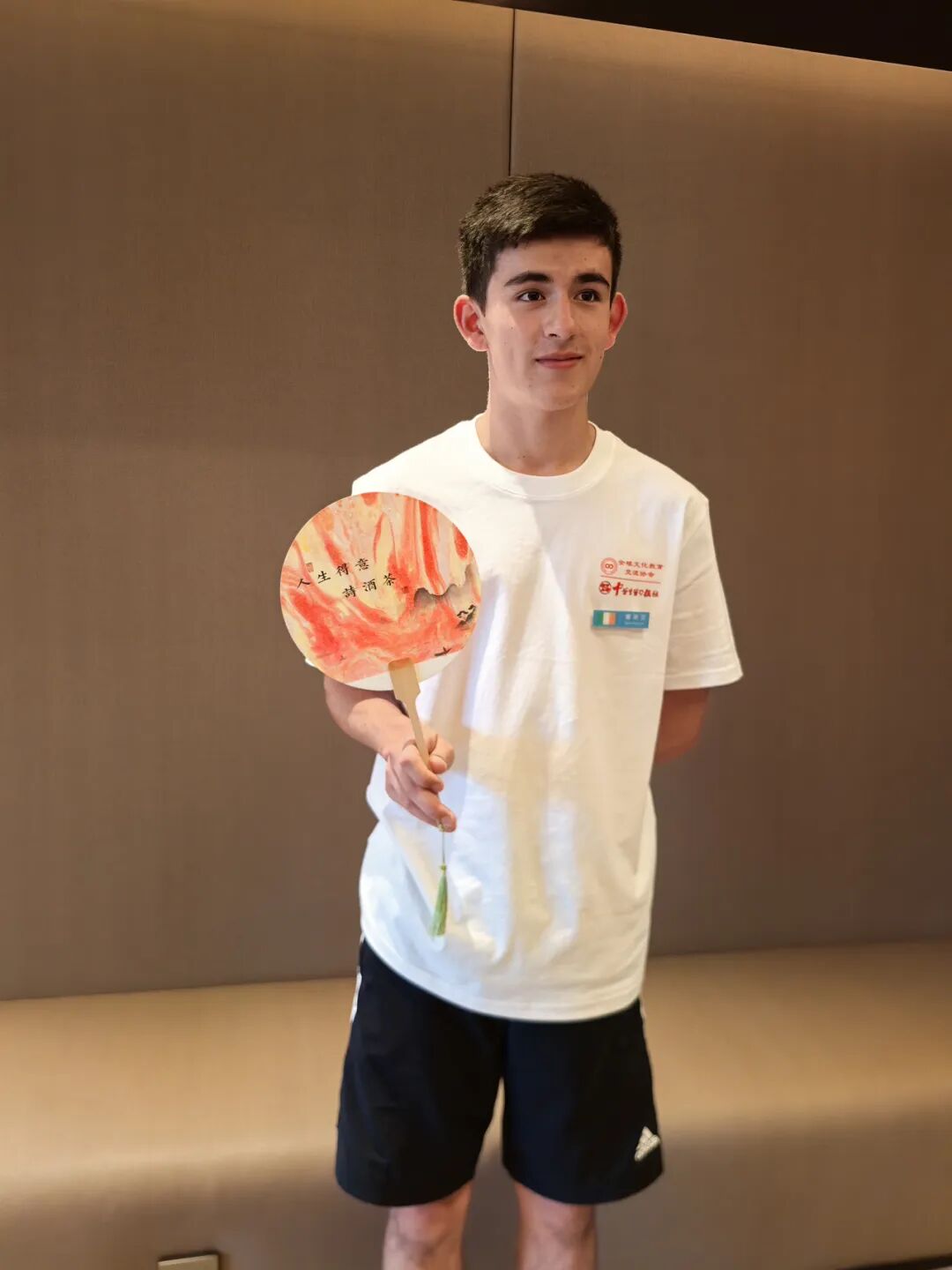
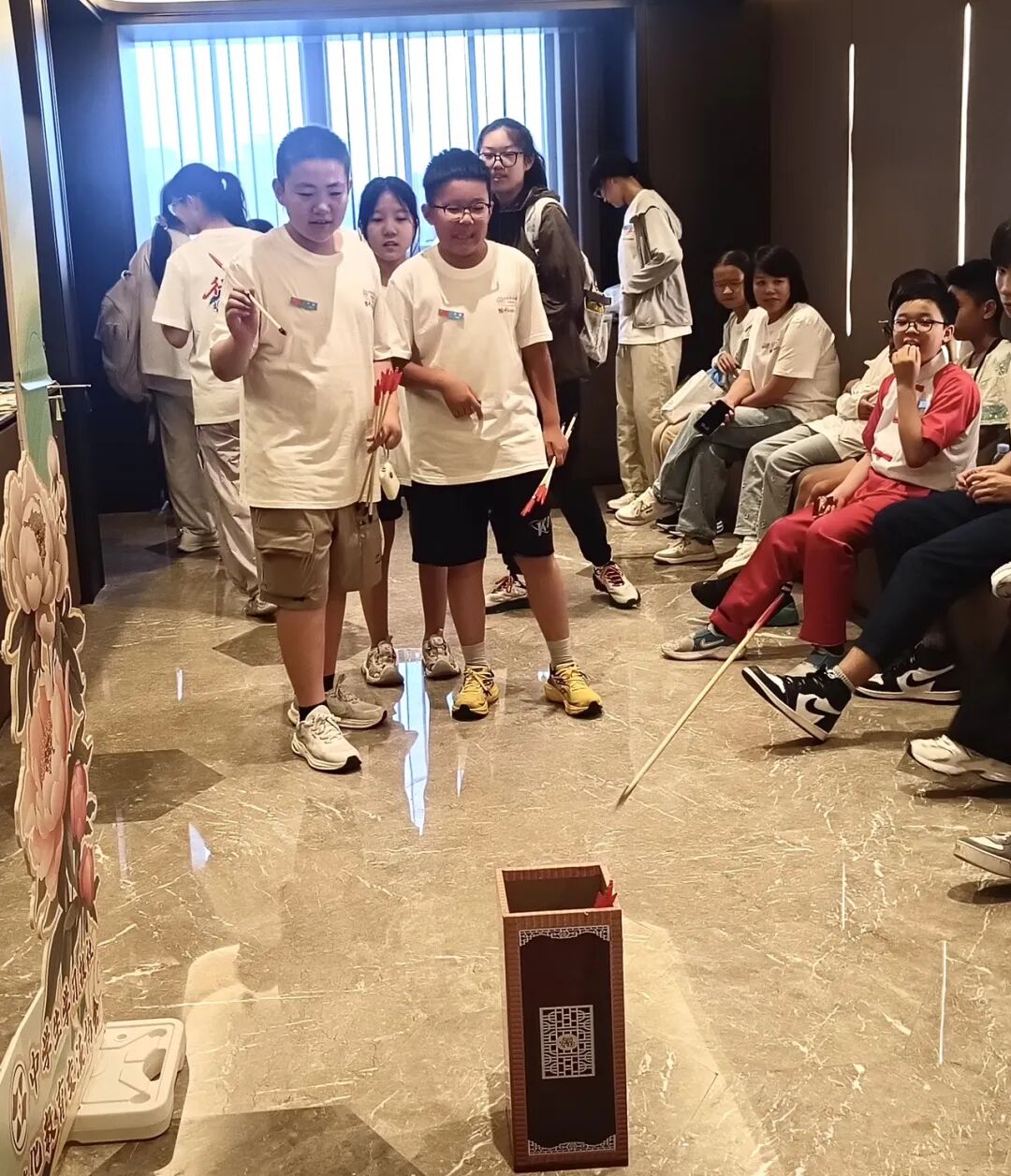
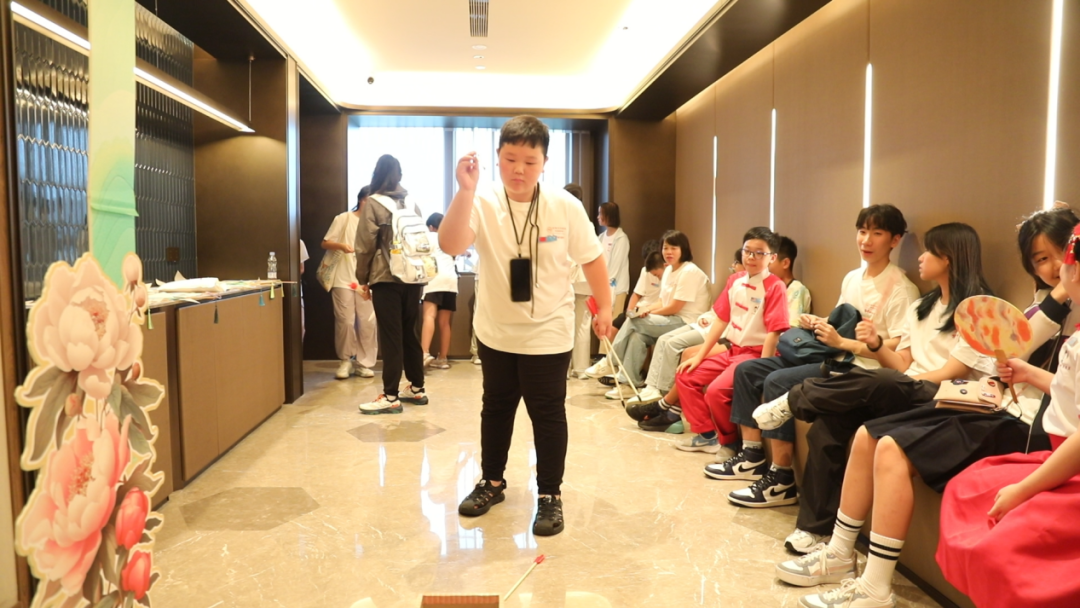
At the 'Chinese-character sign-in wall', a student from Malaysia decorated the character 'ài' (love) with Malay motifs; a Mongolian student adorned the character 'jiā' (home) with steppe totems; an Egyptian child integrated pyramid patterns into the character 'wén' (culture). Such collisions between diverse cultural symbols and Chinese characters formed a miniature 'map of civilisational coexistence', deeply impressing attending parents: culture is not merely textbook text—it is warm, hands-on memory.
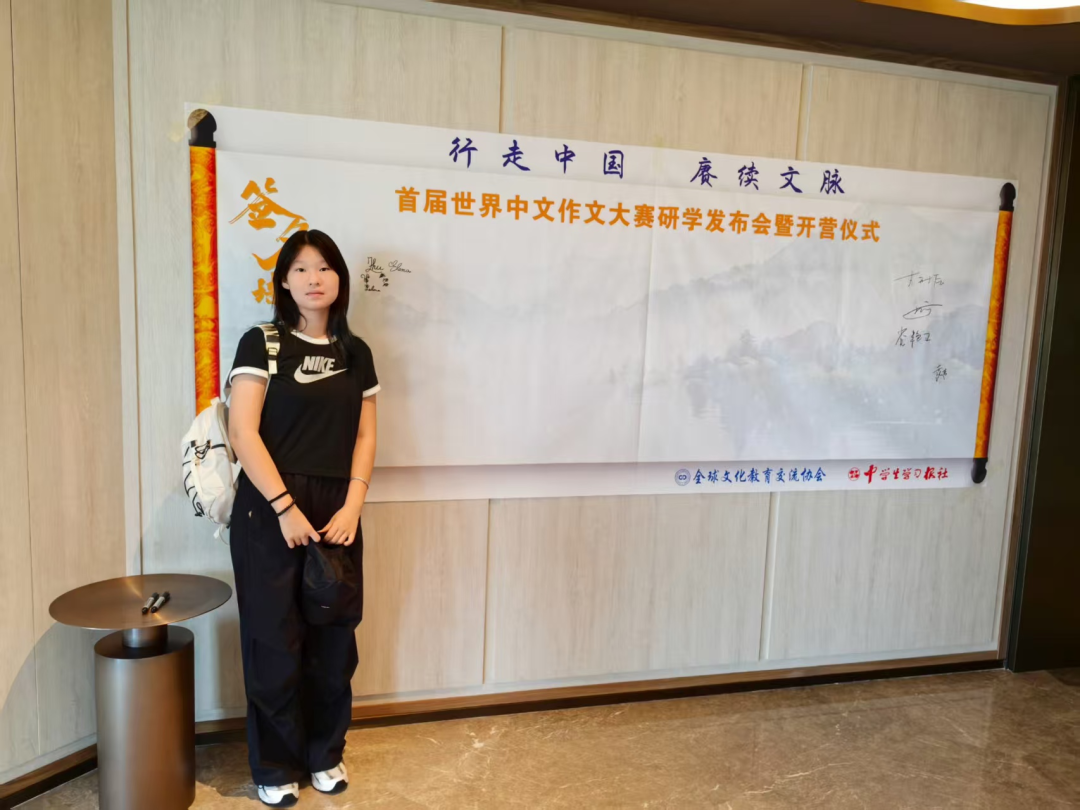
Mutual cultural exchange: A growth community bound by Chinese
A spokesperson for the organisers told reporters that, over the coming week, domestic and international students will engage and interact in four key ways: First, creating multiple opportunities during the itinerary for students from different countries to collaborate on shared tasks, exploring the underlying reasons for behavioural differences and cultivating respect and resonance through such contrasts. Second, adopting a mixed-age grouping model, enabling students of different ages to learn from each other, refine ideas through discussion, spark new insights—and each find personal role models. Third, fostering cultural identity and understanding, and promoting mutual learning among civilisations, through interactions involving Chinese, English and other languages. Fourth, nurturing short-term travel friendships into sustained online exchanges and mutual support, establishing regular communication channels.
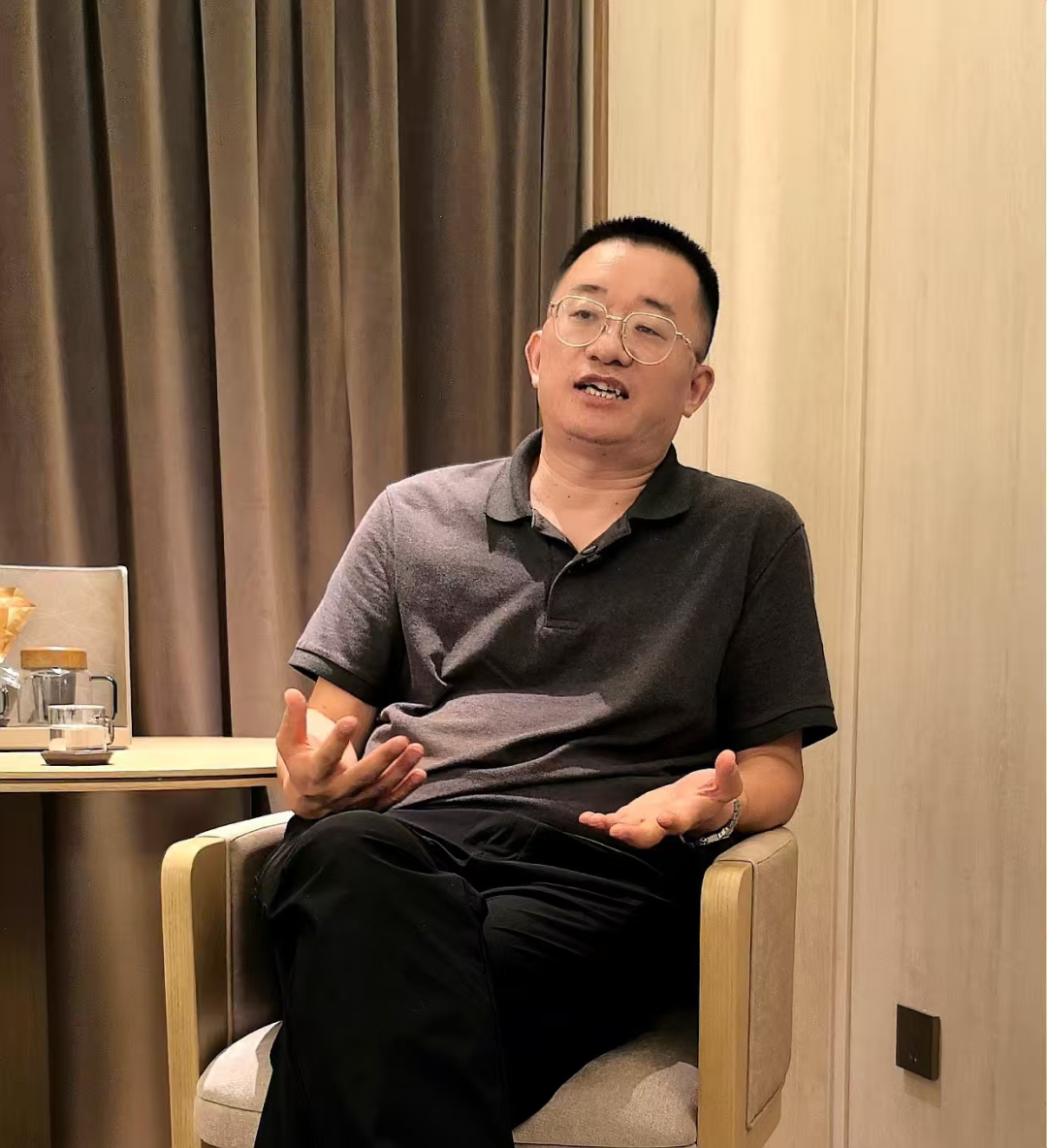
Cai Yisu, President of GACEE, told reporters: 'As an educator, I firmly believe in the power of education—to bring together children from diverse cultural backgrounds through the Chinese language, and let them forge friendship and grow through exchange and experience. I hope this journey plants a seed in each participant’s heart, one that may one day become a bridge connecting the world.'
Inspiring talent showcase: Writing cultural resonance through passion
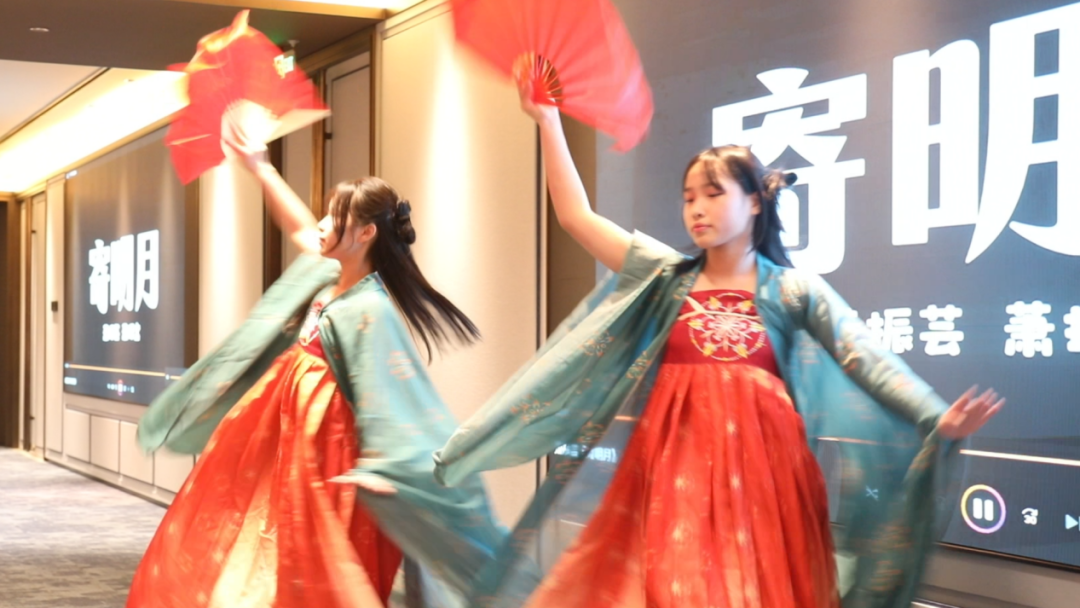
The evening’s talent showcase became a vivid microcosm of global youth 'dialoguing with the world' through Chinese. Li Ai of the Malaysian Xiao Zuojia Classroom performed 'Scenes in the Rain', her clear voice weaving the rhythmic beauty of Chinese lyrics into Nanyang-style melodies—its light tempo evoking rain scenes from diverse regions converging in one moment. Sisters Xiao Zhenbao and Xiao Zhenyun of the Mandalay Fuqing School in Myanmar danced 'Sending the Moon', using graceful movement to evoke the sentiment of 'raising my head to gaze at the bright moon'; the fusion of traditional water sleeves with Burmese costume details expressed the romantic idea that 'the moon shines upon us all'. Zhao Jie Xi of the Stuttgart Chinese Language School in Germany recited 'Invitation to Wine', delivering its bold declaration—'Heaven has endowed me with talents for a purpose'—with full force. Shen Zian of Greece performed 'Treading the Mountains and Rivers', conveying Chinese grandeur through the line 'hooves gallop south while men look north'; Dai Chuyun of Egypt sang 'Little Flower Fairy: Forget-Me-Not', tenderly expressing childhood innocence with the lyric 'blue petals hold memories'. The contrast between these two styles drew enthusiastic applause.
In an interview, a representative of the *Zhongxuesheng Xuexi Bao* said: 'These performances are not flawless artistic presentations, but the most sincere cultural declarations—when overseas children sing, dance and recite in Chinese, they have already become young envoys of mutual learning among civilisations. We will actively expand platforms for them to express themselves!'
Enlightening Confucian studies: Rooting heritage in the present
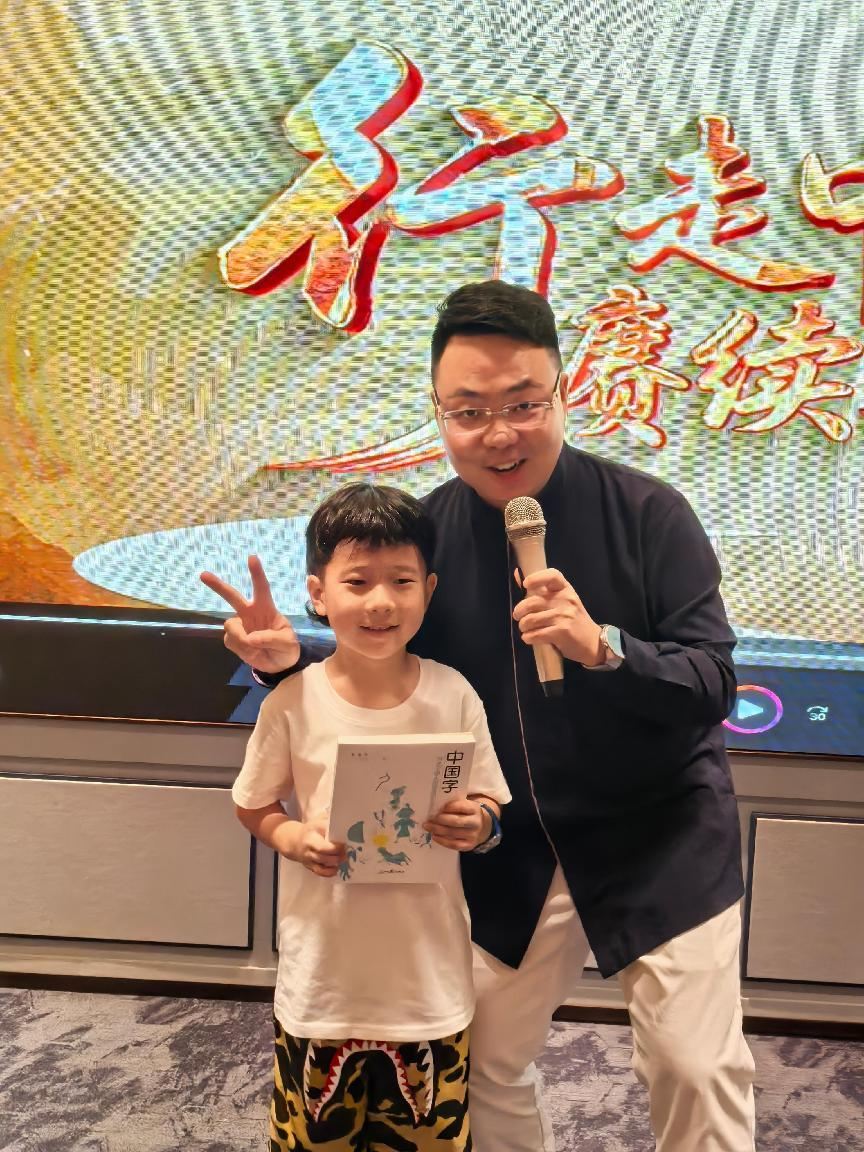
'What is the Chinese character? It is the cipher inscribed on oracle bones, the history written on paper—and above all, the root within our hearts.' Kong Yaping, Deputy Secretary-General of the Qufu Confucius Academy and a 77th-generation descendant of Confucius, presented his book *The Chinese Character: Telling the Story of Chinese Thinking and Characters* as a prize, launching the opening session—'Confucian Studies Enlightenment'—amid laughter and applause. He began with the question 'Why come to China?', guiding participants toward an ageless inquiry and immersing them in the bloodline, heritage and roots of fine traditional Chinese culture. Using characters as entry points, he spoke engagingly about the character 'wēn' (to review) in the phrase 'reviewing the old to know the new', the character 'gēng' (to continue) in 'sustaining cultural heritage', and the character 'wán' (to play), urging all children to master 'advanced' forms of play—play that cultivates wisdom and culture. His earnest guidance held the children spellbound, earned nods of approval from parents, and suddenly revealed to everyone present: every Chinese character carries the genes of civilisation.
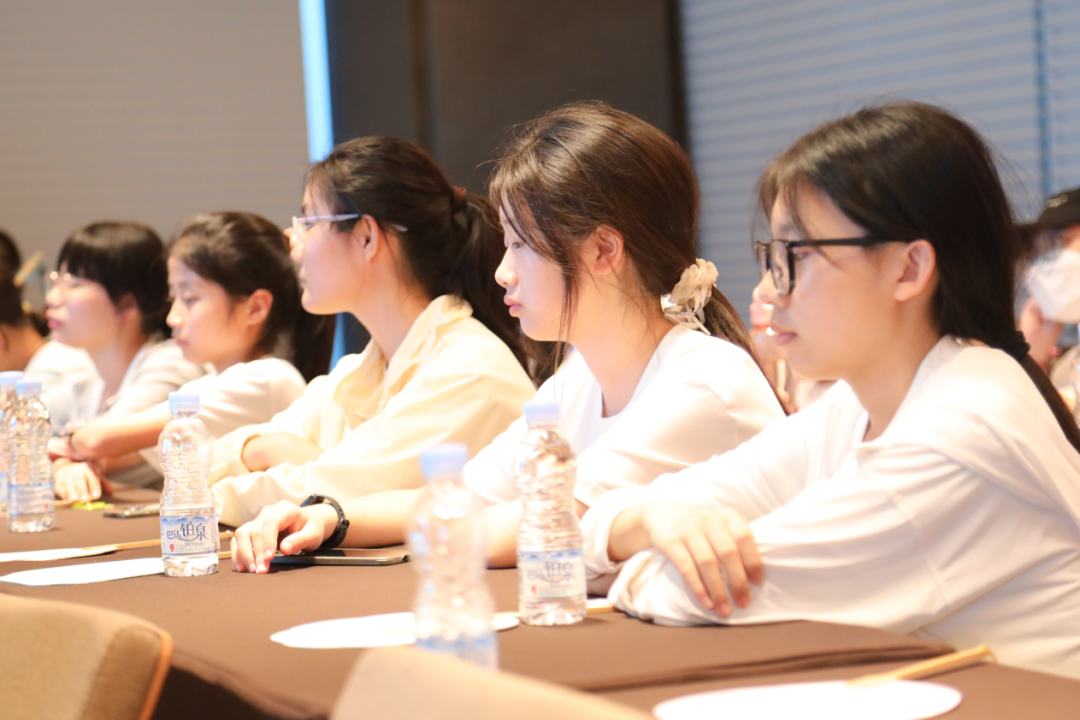
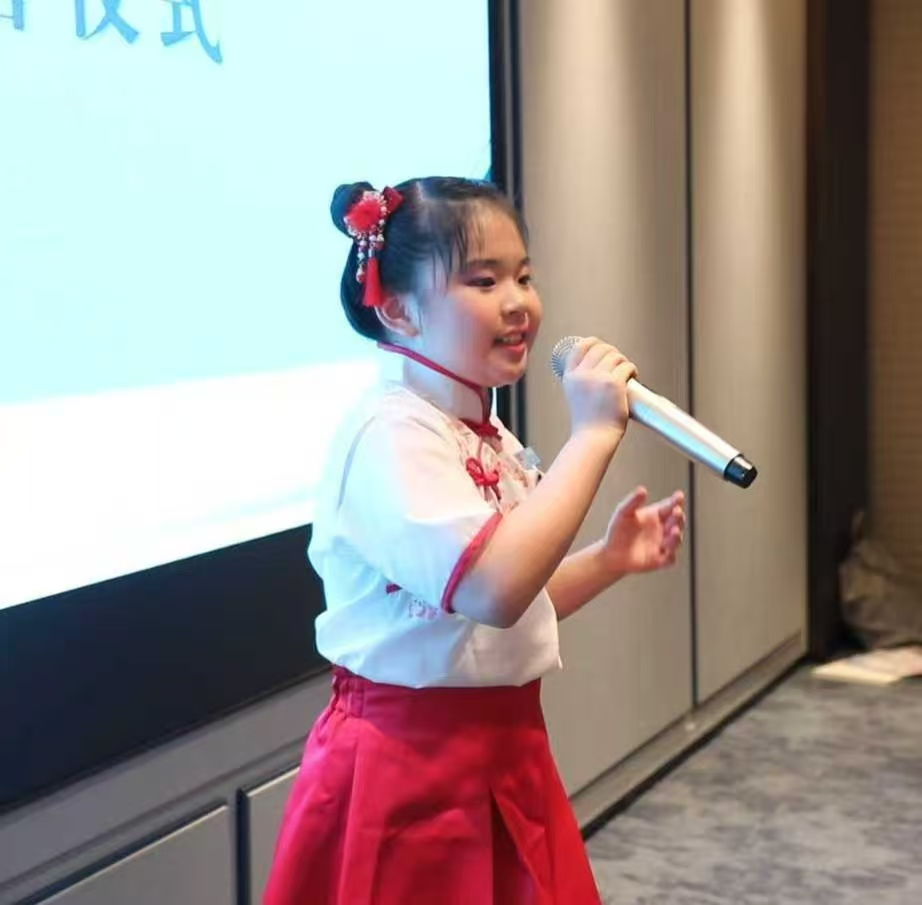
When Malaysian student Li Ai declared in her award speech, 'I am Li Ai—not AI', the remark resonated widely—reminding us that, in the age of technology, Chinese carries not only language, but uniquely human warmth.
A video screened on-site, *Brush and Ink Unfolding: Global Chinese Stories in Light and Shadow*, employed an internationally refined aesthetic to distil the civilisational epic of ancient Chinese characters into a stunning audiovisual experience. From the bronze-and-stone resonance of oracle-bone script to the solemn discipline of regular script, each frame offered museum-grade artistry—allowing Chinese and foreign children alike to witness the eternal radiance of humanity’s greatest writing system. One parent told reporters: 'When my child pointed at the screen and said, “That character looks like the sun I draw”, I suddenly understood: cultural inheritance means letting ancient wisdom dwell in children’s eyes.'
A panoramic intellectual feast: Reading the river of civilisation through walking
This eight-day, seven-night study tour was meticulously designed as a cultural feast 'tangible, participatory and growth-oriented'. From tracing dynastic transitions amid the red walls and yellow tiles of Beijing’s Forbidden City, to touching the origins of writing in oracle-bone fragments at Anyang’s Yinxu Ruins; from night-time strolls through Kaifeng’s Qingming Riverside Park recreating the splendour of the Northern Song capital, to gazing up at the compassionate countenance of the Vairocana Buddha at Luoyang’s Longmen Grottoes; from learning martial arts and tasting vegetarian fare at Shaolin Temple to experiencing futuristic green technology at BYD’s Di Space—the five ancient capitals form a chronological thread, and five UNESCO World Heritage Sites constitute civilisational coordinates.
More meaningfully, the design ensures 'visible growth': students complete tasks via 'challenge cards'—recording the symbolic meanings of bronze-ding patterns at Yinxu, copying Confucian couplets at Songyang Academy, describing glaze transformations at Tang Sancai workshops—culminating in personal 'Study Tour Special Editions'. Outstanding participants receive certification as 'Young Chinese Culture Ambassadors', and their work may be published in periodicals including the *Zhongxuesheng Xuexi Bao*. Gao Mingyong, Director of Zhengbang Think Tank, commented: 'This mobile classroom truly realises the unity of knowledge and action. When children touch millennia-old bronze patterns with their fingertips and walk the artistic corridors of grottoes with their feet, civilisational codes leap from historical records into their notebooks. Such immersive cultural awakening nourishes the roots of cultural confidence more effectively than any didactic instruction.'
At the ceremony’s close, as the camp flag passed from hand to hand among Chinese and foreign students, and bilingual pledges—'Tell stories in Chinese; let Chinese characters become our shared diary'—filled the hall, the significance of this cultural journey transcended the itinerary itself. As one parent observed: 'We brought our child to China to learn Chinese—but unexpectedly, he first learned empathy: cheering for opponents during tuhu, sketching smiling faces of friends from around the world in his study journal. That is the most precious harvest.'
Extended collaborative innovation: Building broader bridges for youth worldwide
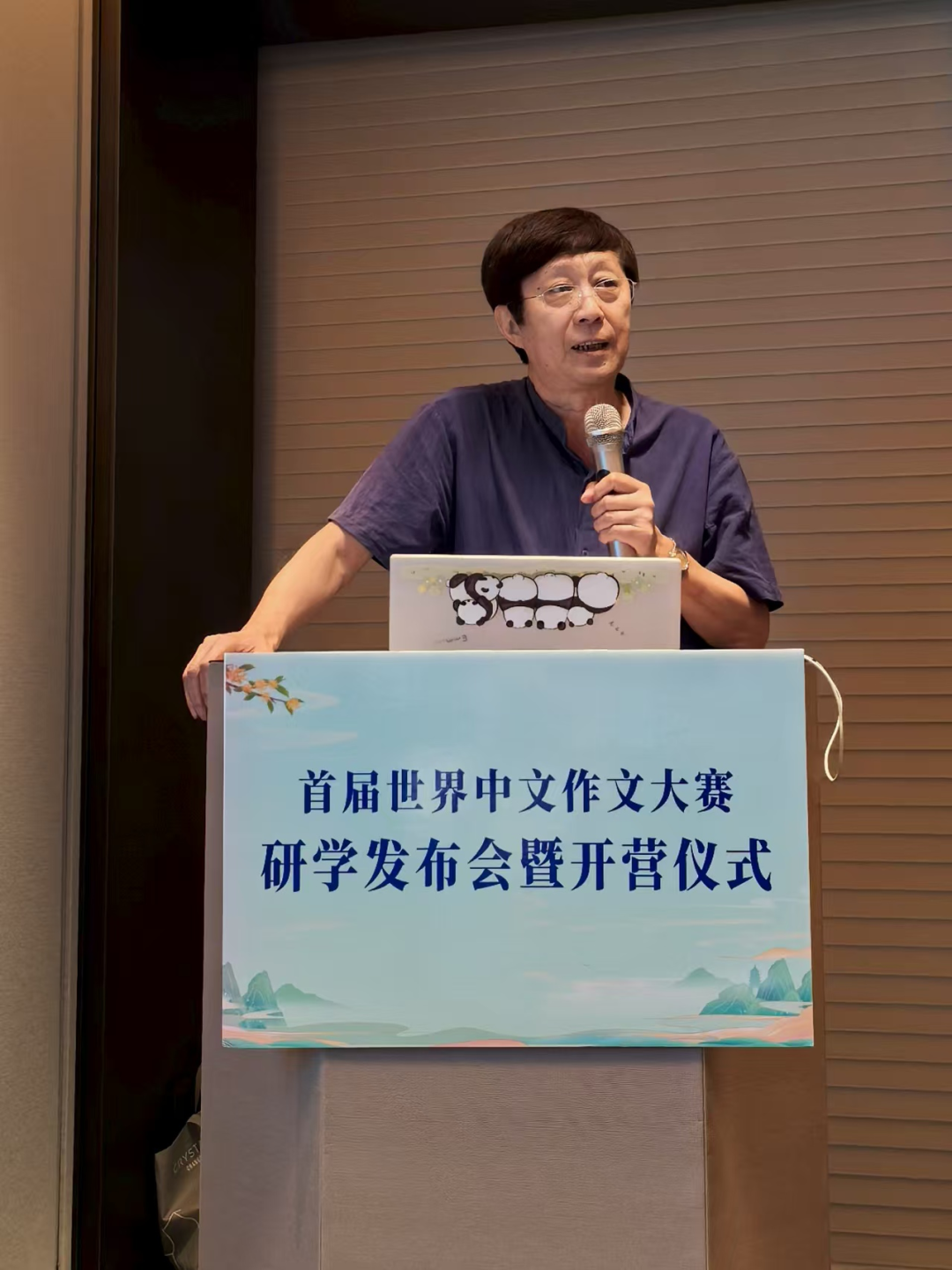
During the event, the organisers also invited Mr Si Wei, former Director of the Secondary School Publications Committee of the China Children’s Press and Publication Association and Chair of the China Middle School Students’ Essay Competition Organising Committee. He commended both the competition and the study tour, and fondly recalled the illustrious development of the China Middle School Students’ Essay Competition, expressing hope for future integration of the two events to build wider writing bridges for youth worldwide—and make greater contributions to cultural and educational exchange between China and other countries.
In an interview, Mr Si told reporters: 'The organisers’ publication *Outstanding Essays from the First World Chinese Essay Competition* reflects deep care. It gathers exemplary works by children worldwide, and synthesises the collective wisdom of experts and scholars in education, culture, publishing, literature and the arts—truly serving as a vivid textbook for learning Chinese, well worth collecting.'
From the fingertip warmth of ICH experiences to the soul-stirring moments of Confucian studies, from the blossoming of friendship through cross-border collaboration to the imprints of growth left by the study tour, the first World Chinese Essay Competition Study Tour is transforming the slogan 'sustaining cultural heritage' into shared practice among global youth. Amid today’s tide of mutual learning among civilisations, these young figures will ultimately become cultural bonds linking China and the world—illuminating a broader world with the beauty of Chinese language and the light of civilisation.
Source: https://mp.weixin.qq.com/s/g1UeYwl2_PgKNT3XbGRyKw · Lire l'article original ↗