
“Walking China, Sustaining Cultural Heritage”: International Youth Study Tour in Luoyang
· Texte original en anglais
RubriquesVoyages d’études internationaux
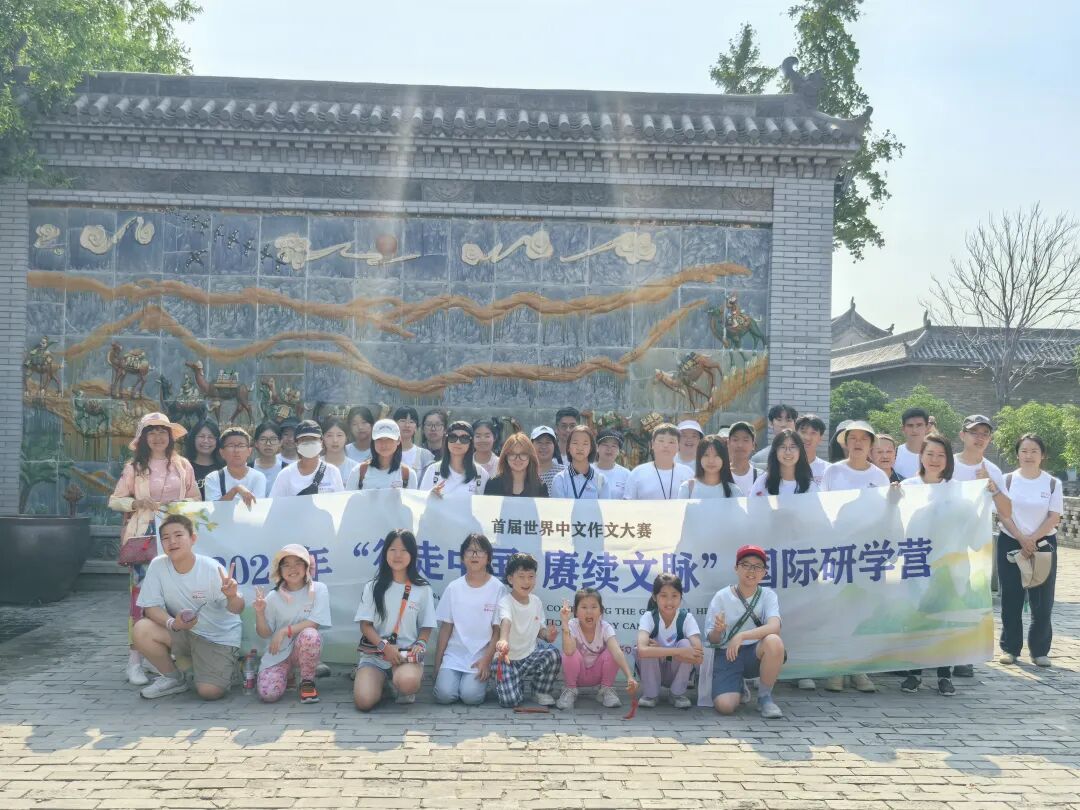
On 28 July, the “Walking China, Sustaining Cultural Heritage” international study tour—co-organised by the *Zhongxuesheng Xuexi Bao* (Middle School Students' Study Paper) and the Global Association of Cultural and Educational Exchange (GACEE)—arrived in Luoyang, Henan, to begin a cultural exploration. Over 30 secondary students from China, Germany, Italy, Ireland and seven other countries visited the China Sancai Culture Park and the UNESCO World Heritage Site Longmen Grottoes, immersing themselves in Luoyang’s profound cultural heritage as the ancient capital of thirteen dynasties through direct engagement with millennia-old artefacts and historical civilisation.
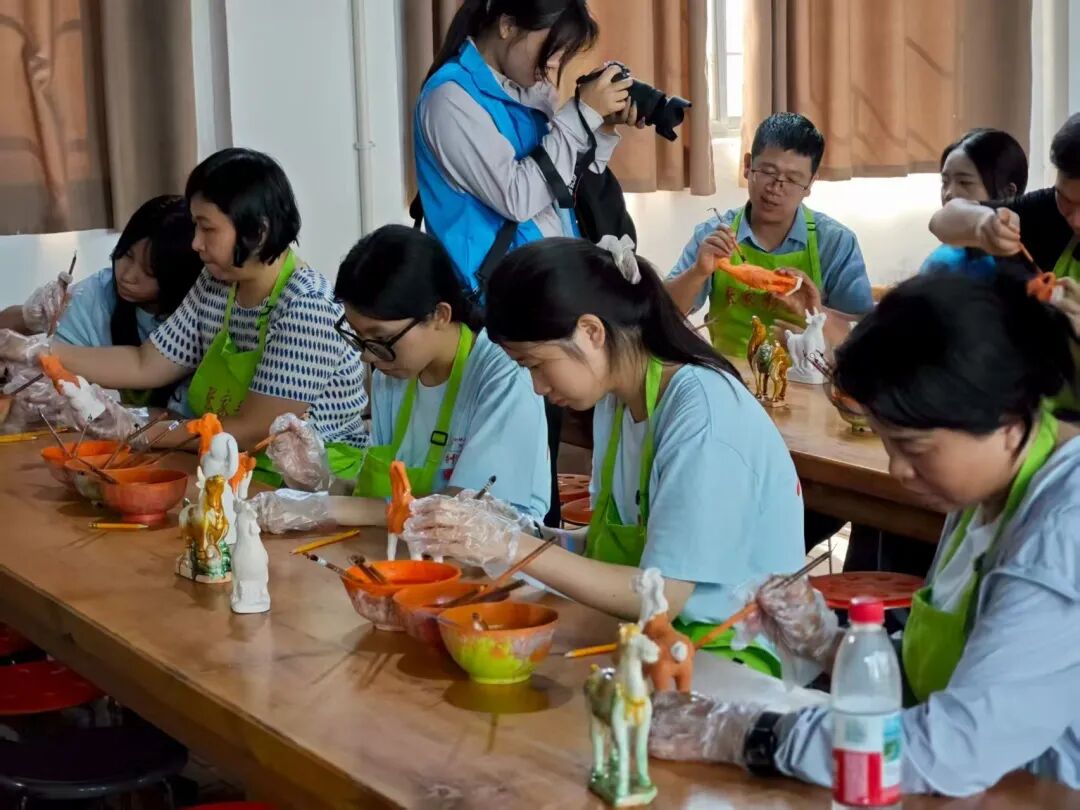
In the morning, the group first visited the China Sancai Culture Park. Guided by professional interpreters, participants viewed replicas of iconic Tang-dynasty sancai (tri-coloured glaze) artefacts—including the “Flying Horse Treading on a Sparrow” and the “Sancai Camel Carrying Musicians”—and learned about the intricate processes involved in sancai production, from clay shaping and glazing to firing. In the interactive workshop, students from China and abroad gathered around tables to paint unglazed sancai figurines using specially formulated mineral pigment pens under the guidance of intangible cultural heritage bearers. Matching classic colour schemes—ochre yellow, emerald green and eggplant purple—they carefully outlined horse manes and filled in camel saddles, making Tang aesthetics tangible through their fingertips. “It’s my first time painting sancai—I had no idea each colour combination reflected ancient aesthetic wisdom!” said an Italian student, holding up her painted sancai horse model, eyes alight with fascination.
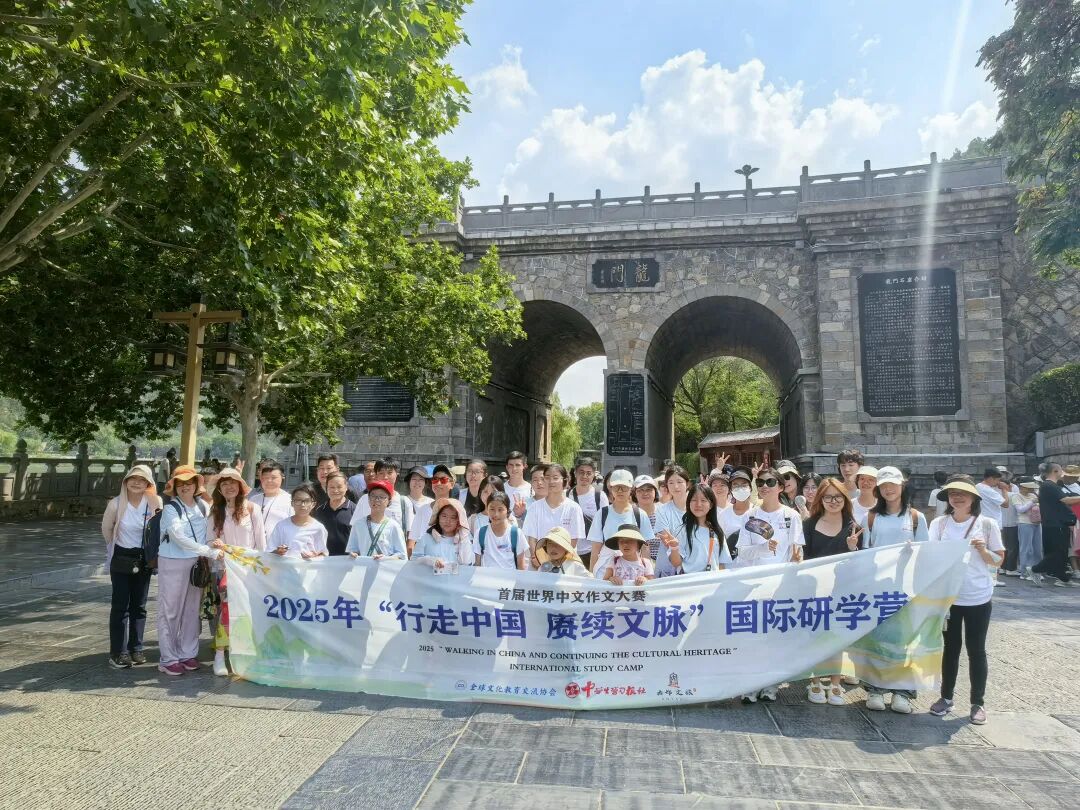
In the afternoon, the group visited the Longmen Grottoes. Along the Yi River, the majestic Vairocana Buddha at Fengxiansi Temple exuded solemn dignity; its finely carved reliefs and Buddhist statues—surviving over a thousand years of wind and rain—remained vividly lifelike. Walking slowly along the Yique cliffside path, students paused at key grotto clusters including the Binyang Three Caves and Fengxiansi Temple to learn about the evolution of Buddhist sculpture from the Northern Wei to the Tang dynasty, and about the integration of Buddhist culture with Central Plains civilisation. A German student stood silently before the Vairocana Buddha, then wrote on his study challenge card: “In this Buddha’s smile lies timeless serenity and strength—proof of culture’s universal resonance.”
According to the organisers, the Luoyang leg forms a key part of the wider “Walking China, Sustaining Cultural Heritage” series. A representative of the *Zhongxuesheng Xuexi Bao* explained that Luoyang was selected for its status as a cradle of Chinese civilisation: “We hope field visits will help international youth grasp not only the ‘form’ of cultural relics, but also their ‘spirit’—deepening their understanding of the cultural codes behind the question ‘What makes China, China?’” GACEE President emphasised the programme’s role as a platform for intercultural exchange: “When foreign students marvel at the grandeur of the Longmen Grottoes—and Chinese students proudly explain local history to their peers—the seeds of mutual cultural understanding take root.”
This international study tour not only opens a window for youth worldwide onto China’s historical and cultural legacy, but also—through the act of ‘walking together’—fosters dialogue between civilisations, igniting fresh energy for the inheritance and promotion of outstanding traditional Chinese culture.
(Correspondent: Li Na)
Source: https://mp.weixin.qq.com/s/fOCtW1_yR_fp9lhjnNhtlA · Lire l'article original ↗