First World Chinese Essay Competition Carnival and Study Tour Closing Ceremony Concludes in Zhengzhou
ColumnsWorld Chinese Composition Competition
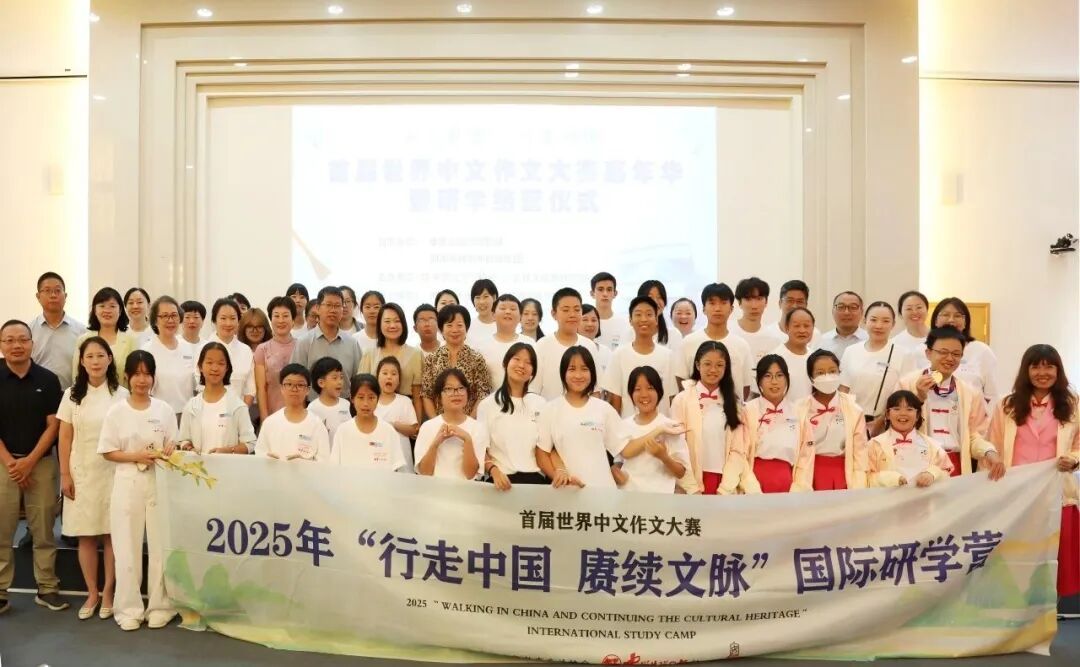
In the radiant summer of July, the ancient city of Zhengzhou—cradle of millennia-old civilisation—hosted a cultural event spanning oceans and continents. On the morning of 30 July, the carnival “Carrying the Dao through Writing, Conveying Emotion through Penmanship: First World Chinese Essay Competition Carnival and Closing Ceremony of the Study Tour” was solemnly held at Zhongyuan Publishing & Media Group.
Culture as Bridge: Leaders’ Speeches Chart a New Course for Civilisational Exchange
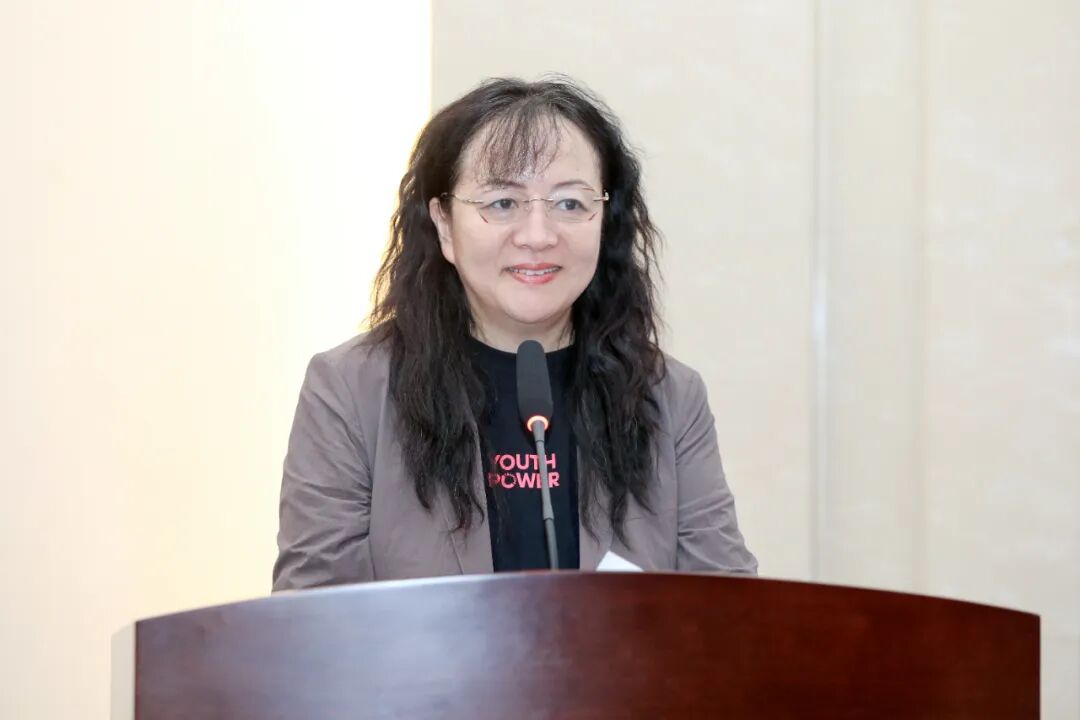
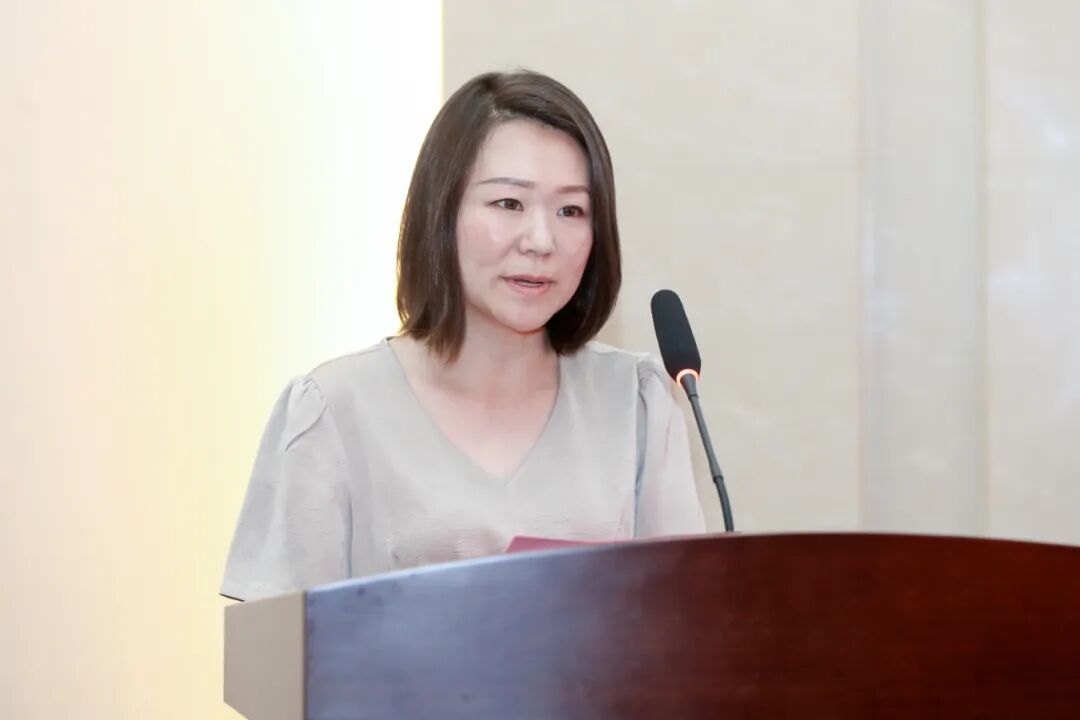
The ceremony opened in an atmosphere both solemn and vibrant. Ms Lin Jiangyan, Deputy Party Secretary, General Manager and Vice Chairman of Zhongyuan Publishing & Media Group, delivered a heartfelt speech elucidating the profound significance of Chinese as a civilisational bond and spiritual bridge. She observed: “When youthful writings from across the five continents converge in Central China, and teenagers of diverse ethnicities express their aspirations in Chinese, we deeply feel that Chinese is a civilisational thread stretching back five thousand years—and a spiritual bridge connecting millions of hearts. The students’ essays and recitations are not merely resonances of language, but dialogues between civilisations.” She stressed that Zhongyuan Publishing & Media Group consistently fulfils its mission to “uphold the people’s ideals, champion culture, and lead industry development”, and that this event represents a successful practice under the Group’s “Innovation Breakthrough Initiative”, specifically its “study-tour and cultural creativity” component—exploring new pathways integrating content, distribution channels and experiential settings.
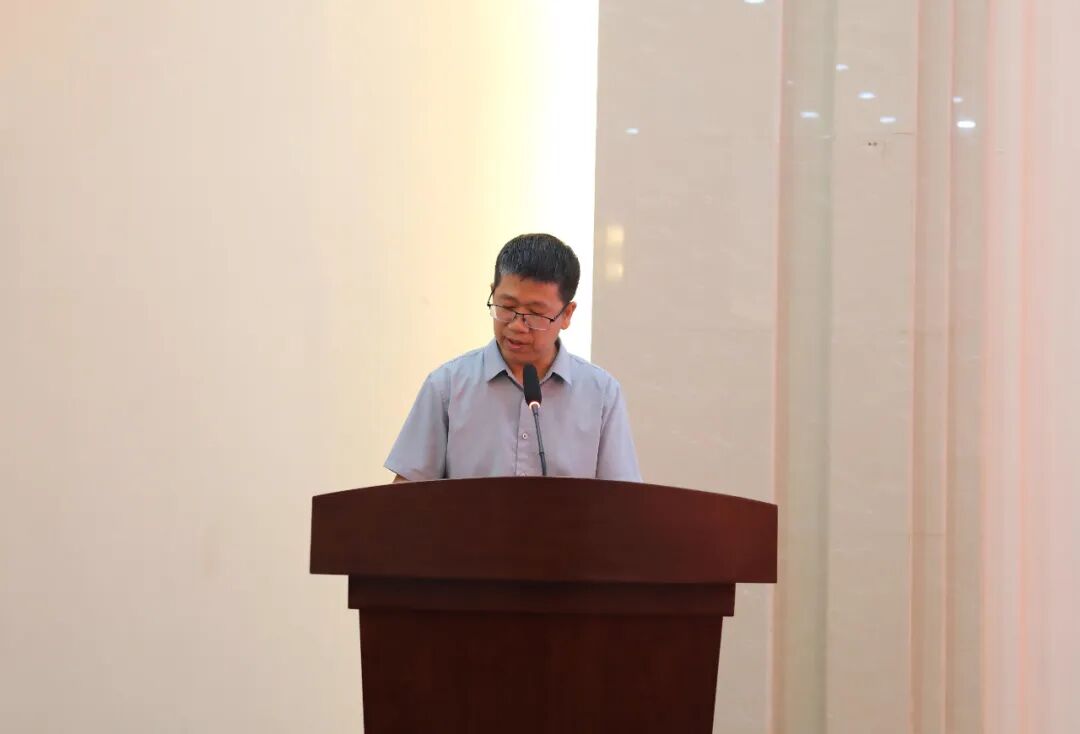
Mr Li Kaizhen, Party Secretary, Publisher and Editor-in-Chief of *Zhongxuesheng Xuexi Bao* (Middle School Students' Study Paper), then reviewed the rich outcomes of both the competition and the study tour. He noted that within just over 40 days of launch, the competition received more than 5,000 submissions from over 100 schools across 30 countries. Ultimately, 15 Grand Prize, 30 First Prize, 60 Second Prize, 120 Third Prize and 354 Honorable Mention awards were conferred. Mr Li emphasised that the competition’s greatest value lies in guiding global adolescents to move beyond “recognising characters” toward “understanding spirit”, enabling culture truly to “take root in the heart”. In collaboration with the Global Association of Cultural and Educational Exchange (GACEE), *Zhongxuesheng Xuexi Bao* compiled outstanding entries into the *Anthology of Outstanding Essays from the First World Chinese Essay Competition*, extending the initiative into recitation and public speaking—transforming Chinese into “a language of dialogue”.
Ms Cai Yisu, President of GACEE, reflected warmly on the study tour: “Seven days ago we began our journey from the Forbidden City; today, standing at its conclusion, we are in fact embarking on a new starting point for understanding Chinese civilisation. You have measured history with your footsteps and illuminated civilisation with your words—this is precisely the original intent of study tours: enabling children worldwide to experience China firsthand, to understand China—and themselves.”
Pens Aglow: Global Chinese Writing Talent Honoured
The award presentation—the highlight of the event—unfolded to gentle background music:
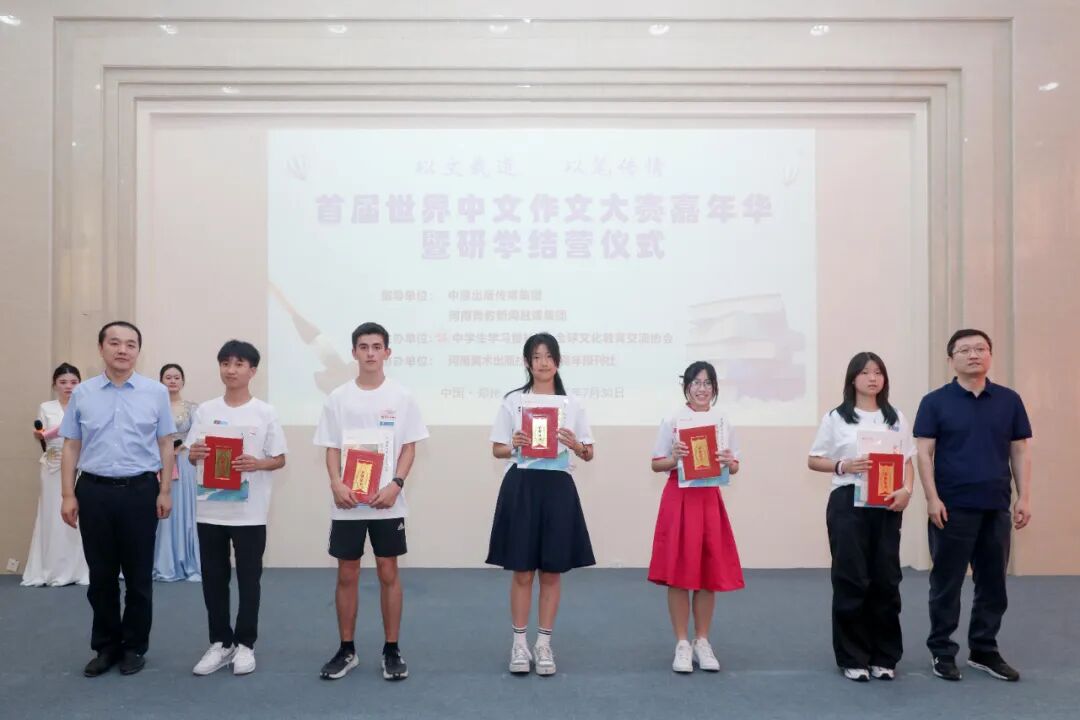
In Round One, recipients of Honorable Mentions, Third, Second and First Prizes who attended in person stepped onto the stage. Their works ranged from imaginative childhood musings to incisive reflections—each a sincere tribute to the Chinese language.
In Round Two, Grand Prize winners took the stage. Their essays interpreted the competition’s theme—“Carrying the Dao through Writing, Conveying Emotion through Penmanship”—with distinctive perspectives, allowing the beauty of Chinese and the soul of culture to flourish fully on the page.
In Round Three, the Outstanding Tutor Award and Outstanding Organising Institution Award were presented. Ms Chen Hanli of the Malaysian Young Writers’ Studio accepted the Outstanding Tutor Award on behalf of all dedicated mentors whose professionalism and steadfast support form the firmest foundation for students’ literary journeys. The Outstanding Organising Institution Award went to Lisbon Chinese School (Portugal) and Stuttgart Chinese School (Germany).
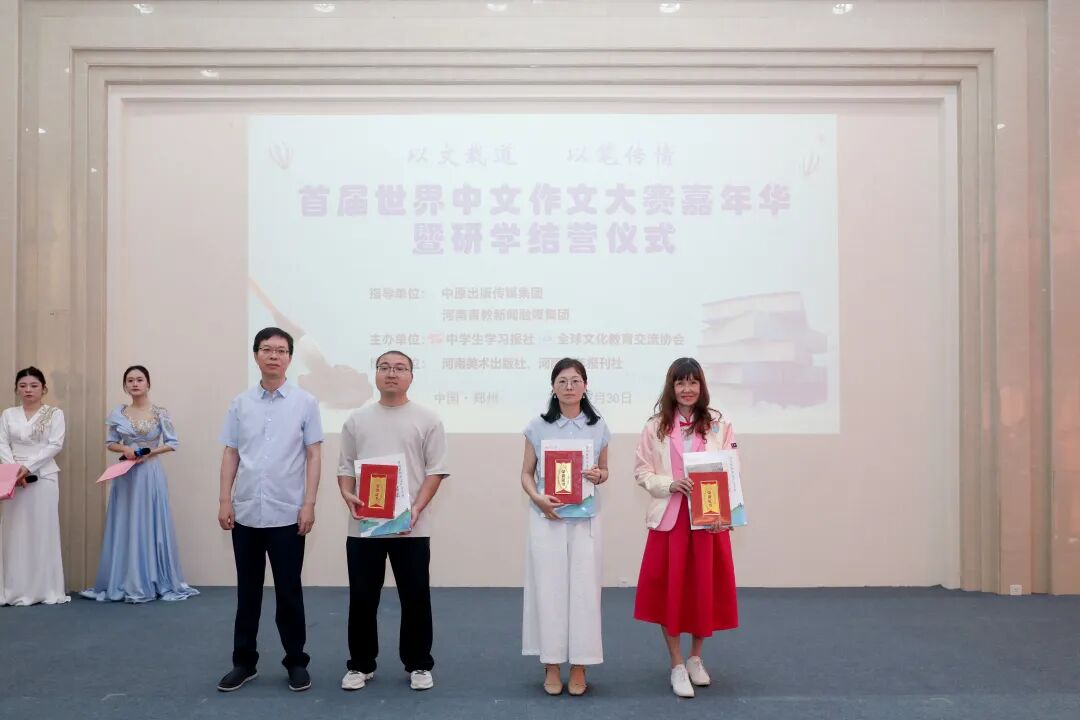
In Round Four, the Distinguished Organising Institution Award was conferred upon the Malaysian Young Writers’ Studio, Overseas Chinese–Mongolian Friendship School (Mongolia), Mencius Chinese School (Italy), Genius Chinese School (Ireland), Athens Chinese School (Greece), Deren Chinese School (Egypt) and Mandalay Fok Ching School Confucius Classroom (Myanmar), in recognition of their outstanding contributions to promoting Chinese language education overseas and building cultural bridges.
The audience responded with sustained, enthusiastic applause—honouring all awardees. Their writing has enabled the world to hear more vivid, diverse Chinese stories; their passion has infused the Chinese language with brilliant new radiance in the new era.
Walking to Understand: Immersive Study Tour Makes Cultural Heritage Tangible
The award ceremony was not only a celebration of writing, but also a summation of an in-depth cultural exploration. From 23 to 30 July, 43 teachers, students and parents from ten countries participated in the “Walking China, Inheriting Cultural Heritage” study tour—a joint initiative by *Zhongxuesheng Xuexi Bao* and GACEE. Far from mere sightseeing, this carefully designed journey offered an immersive dialogue where “history becomes tangible and civilisation perceptible”. The closing ceremony served as a heartfelt retrospective.
At the Yinxu Museum, fingertips traced oracle bone inscriptions over three thousand years old. “Chinese characters are living civilisation!” exclaimed an Irish student upon touching turtle shells and animal bones—an epiphany transforming oracle script from textbook symbols into tangible civilisational codes.
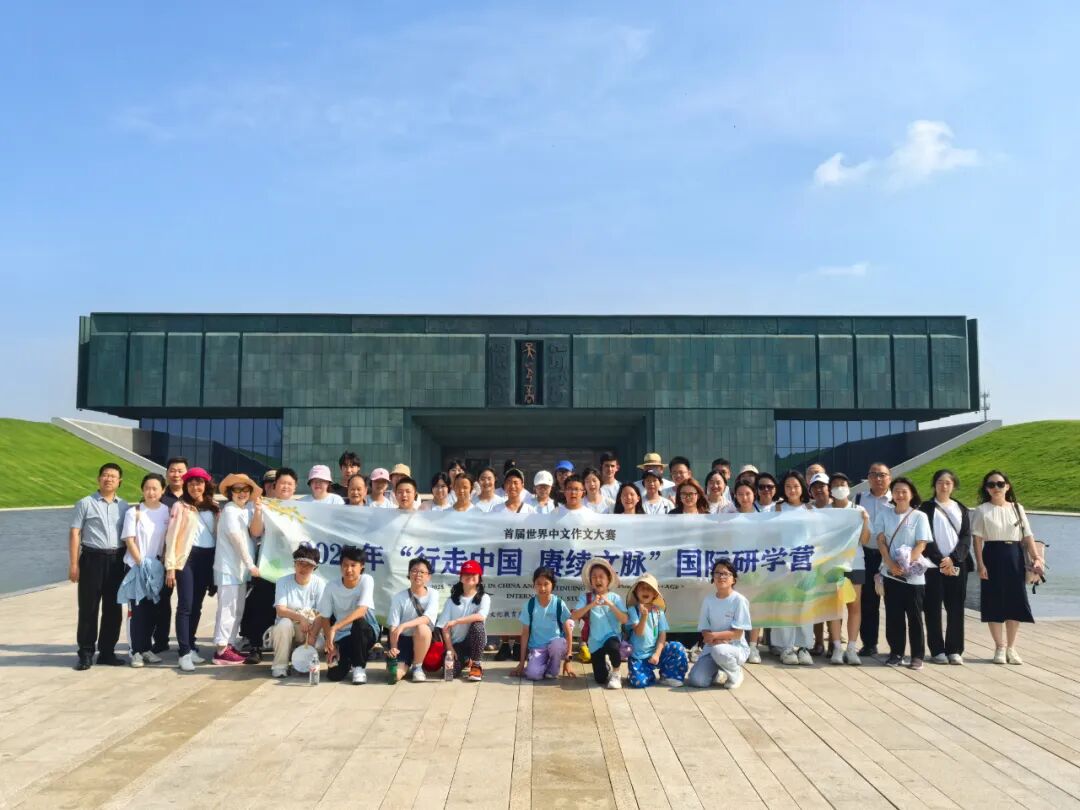
At the Han Garden Stele Forest, students from China and abroad copied famous steles with brush in hand; dressed in Hanfu robes, they composed poetry and sang along winding streams. At night in the Qingming Riverside Park, the spectacle *The Song Dynasty: A Dream of Dongjing*—structured around eight Song dynasty lyrics—transported participants through misty Bianjing, evoking the heroic spirit of “Yue Fei Piercing Xiao Liang Wang with His Spear”.
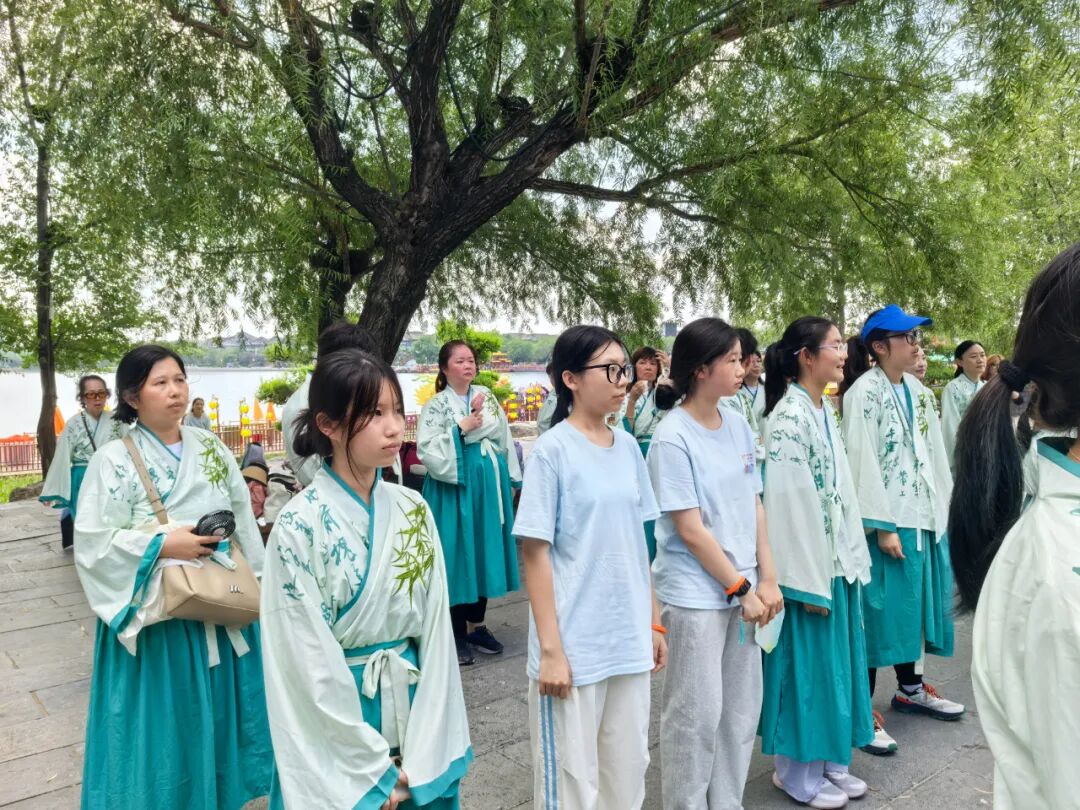
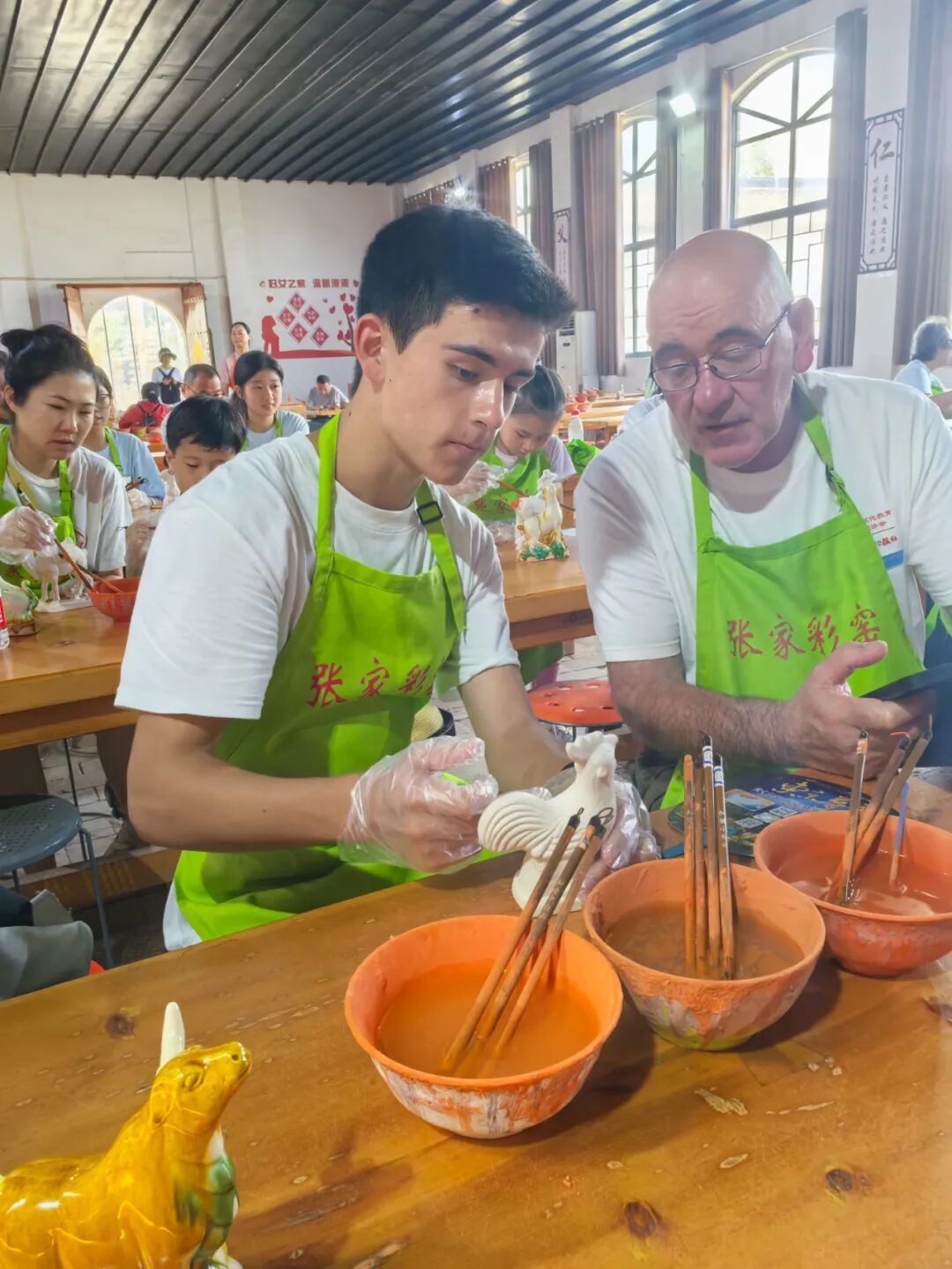
At the Tang Sancai Culture Park, Italian student Zhu Jiangying painted ochre and emerald glazes onto an unglazed ceramic horse: “I now see how Tang artisans used mineral pigments to create eternity!” Before the Lushena Buddha at Longmen Grottoes, a German teenager paused in contemplation, writing on his activity card: “The serenity in that smile is a civilisational resonance transcending language.”
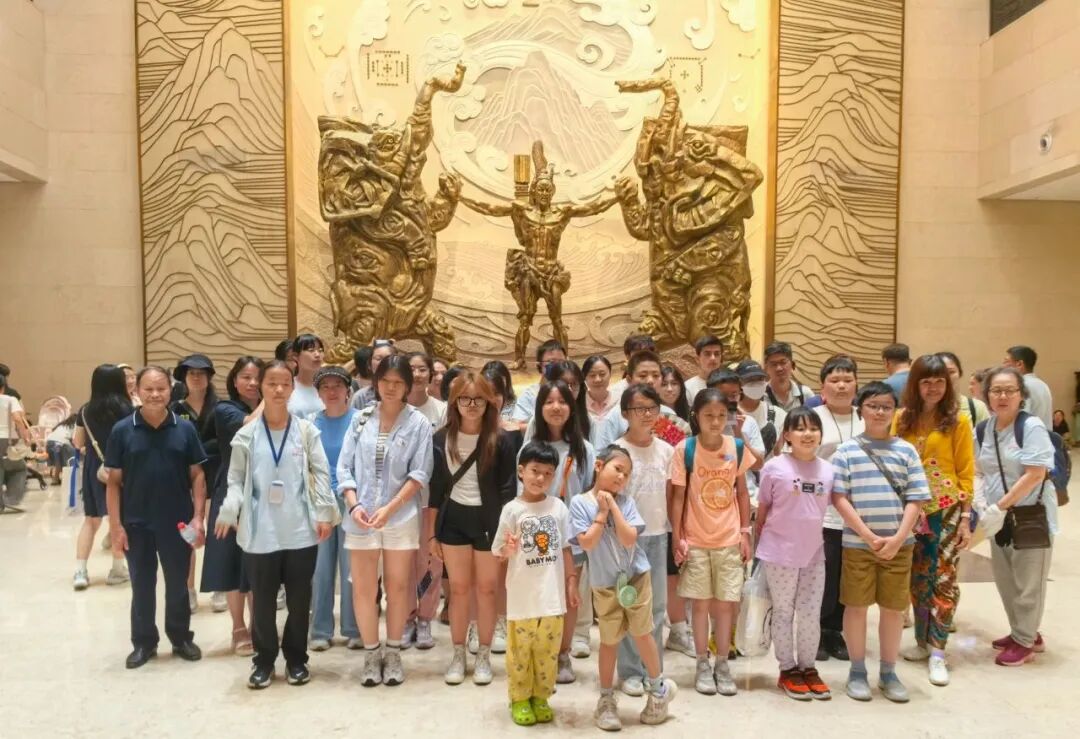
The Henan Museum marked the tour’s finale. The Jiahu bone flute sounded melodies eight thousand years old; the Lotus-and-Crane Square Vessel revealed the exquisite craftsmanship of the Bronze Age. Malaysian student Wang Xuanning gazed intently at the Fu Hao Owl Zun: “I’ll tell my friends: Chinese history is far more awe-inspiring than I imagined!” Greek student Shen Ziyang lingered in the Tang Sancai exhibition: “Online images capture less than one ten-thousandth of the real object’s brilliance—Zhengzhou is a treasure trove of surprises!”
Especially precious were the continuous cultural exchanges and deep interactions woven throughout the itinerary. At the opening ceremony, an unconventional intangible cultural heritage experience zone—featuring lacquer fan painting and arrow-throwing games—enabled students from various countries to touch culture with their fingertips. On the unique “Chinese Character Check-in Wall”, Malaysian students adorned the character “love” with Malay floral motifs; Mongolian students embellished “home” with steppe totems; Egyptian children integrated pyramids into the character “culture”, collectively creating a vivid “map of civilisational coexistence”. Carefully designed “challenge cards” and half-completed “Study Tour Special Edition” journals guided students to record bronze patterns at Yinxu and describe glaze changes at Tang Sancai workshops—transforming observations, experiences and reflections into personal growth milestones.
As Mr Gao Mingyong, Director of Zhengbang Think Tank, remarked: “This mobile classroom truly embodies the unity of knowledge and action. When children touch the millennia-old patterns on bronzes with their fingertips, or walk the artistic corridors of grottoes with their feet, civilisational codes leap from historical records into their study notebooks. Such immersive cultural awakening nourishes the roots of cultural confidence more effectively than any didactic instruction.” One parent observed sincerely: “We brought our child to China to learn Chinese—but he first learned ‘empathy’: cheering for opponents during arrow-throwing games, sketching smiling faces of peers from around the world in his study journal—that is the most precious harvest.”
Voice Resonates Across Mountains and Rivers: Recitation Gala Celebrates the Pinnacle of Chinese Language Beauty
To present the competition’s outcomes holistically, the carnival featured a recitation contest. Youth contestants from across the globe competed using voice as their medium. Some delivered tender, lyrical performances conveying childhood longing; others projected powerful, stirring tones showcasing Chinese’s majestic force. Their presentations—whether poised and dignified or lively and fresh—jointly composed a symphonic celebration of Chinese phonetic beauty.
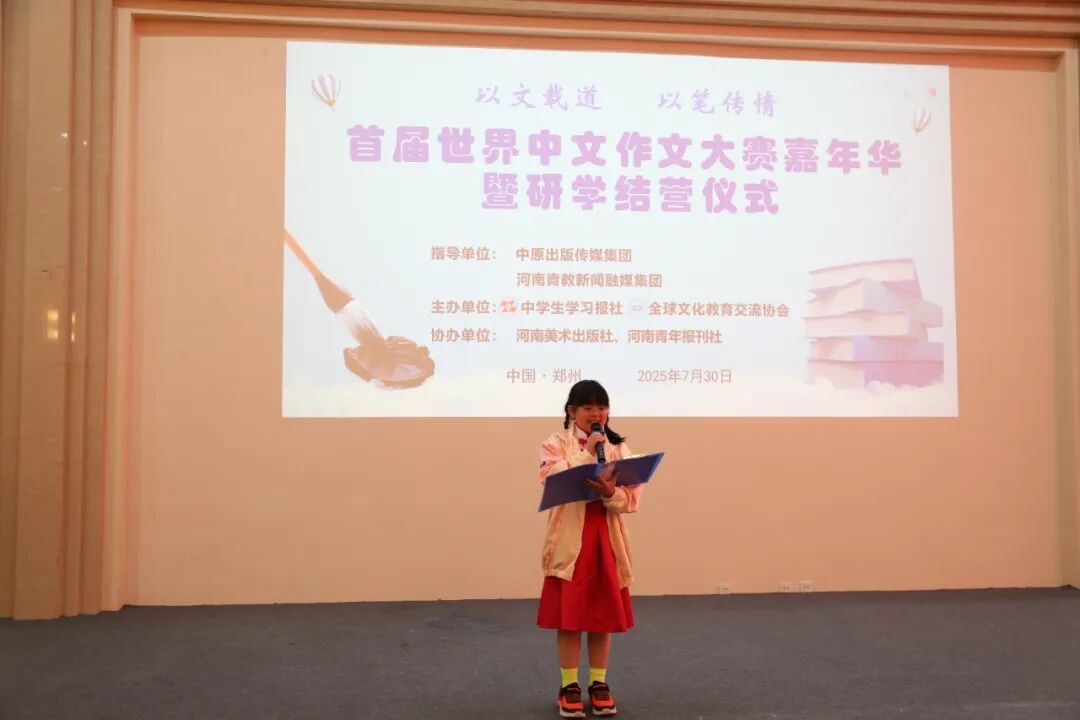
While judges tallied scores, Ms Cui Yanfang, President of the Dengfeng Recitation Society, delivered a high-calibre professional recitation performance—her profound expertise and rich emotion revealing the ultimate charm of linguistic artistry to the entire audience.
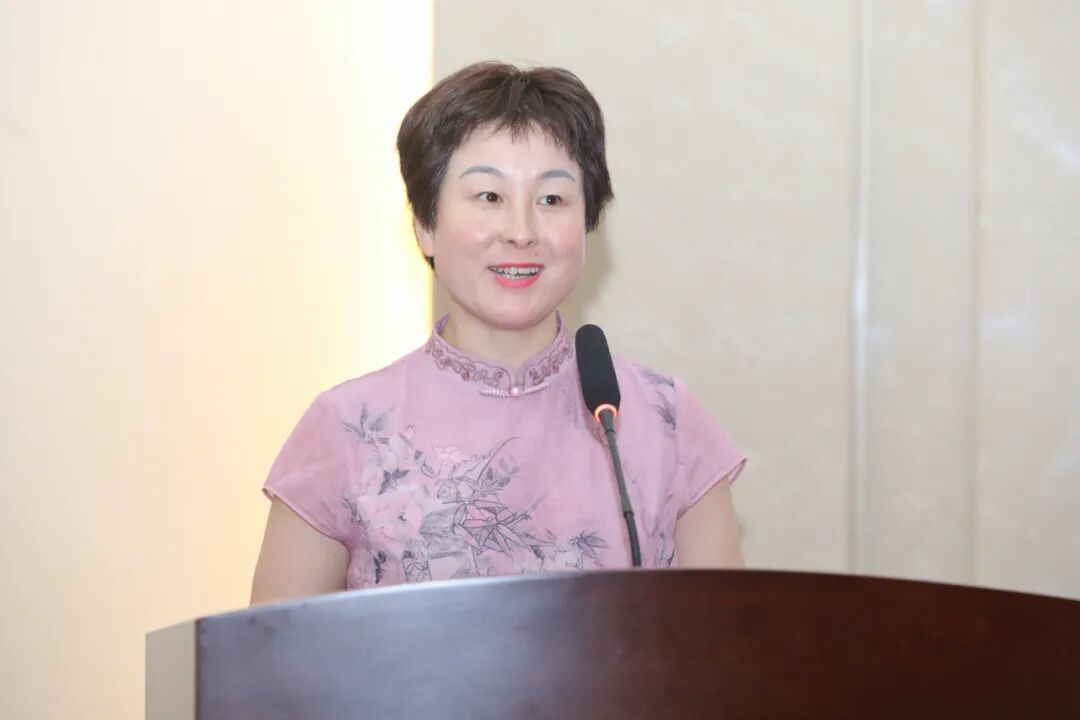
Renowned expert in Chinese as a second language education, Ms Ma Yuqian, then offered insightful, engaging commentary—analysing the symbiotic relationship between recitation art and cultural inheritance, adding intellectual depth to this audiovisual feast.
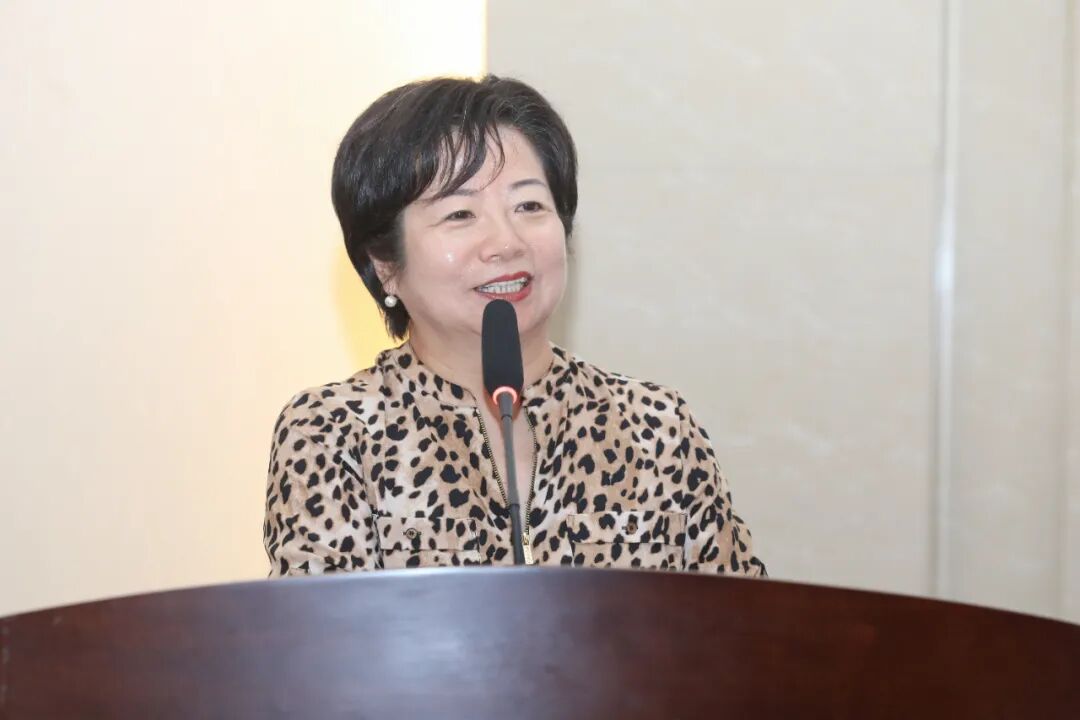
Subsequently, Ms Bai Xin, Secretary-General of GACEE, announced the recitation contest results. Winners of Third, Second, First and Grand Prizes ascended the stage in turn to receive their vocal honours from award presenters.
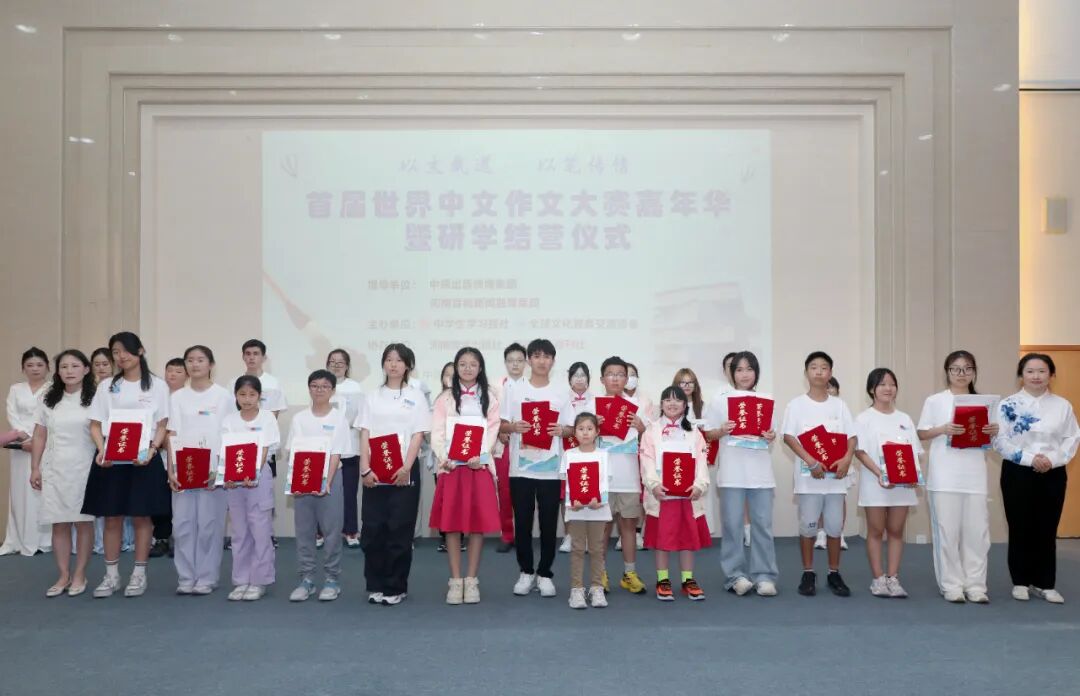
The organisers also awarded “Young Ambassadors of World Civilisations” certificates to those who foster dialogue—where different languages meet within Chinese characters and diverse cultures resonate through exchange.
Passing the Torch: Together Towards Future Cultural Engagement
As the closing ceremony drew to a close, *Zhongxuesheng Xuexi Bao* and GACEE jointly outlined future plans to deepen cultural dissemination: upgrading standardised study-tour curricula combining “heritage site visits and craft experience”; expanding the competition to include Chinese public speaking and Chinese character creative design categories, and establishing a “Global Youth Chinese Creators Database”; launching new study-tour routes—including Silk Road and Jiangnan themes—and developing VR “cloud-based study tours”; launching a “Dialogue between Chinese and International Youth” column on the “Cloud-based Zhongxuesheng Xuexi Bao” platform, and initiating a short-video campaign titled “I Tell My Hometown in Chinese”, thereby institutionalising civilisational dialogue. Additionally, two study-tour routes scheduled before Spring Festival—one centred on Xi’an, the other on Guangzhou—were announced and opened for registration by teachers, students and parents.
The ceremony concluded amid an atmosphere of hope and emotion. As the host observed: “Using footsteps as pens and rivers and mountains as scrolls, we read China while walking—and inherit civilisation while writing. Every essay is a footnote to civilisation; every recitation, a pulse of culture. You build bridges connecting the world through Chinese, and continue the millennia-old cultural lineage through passion.”
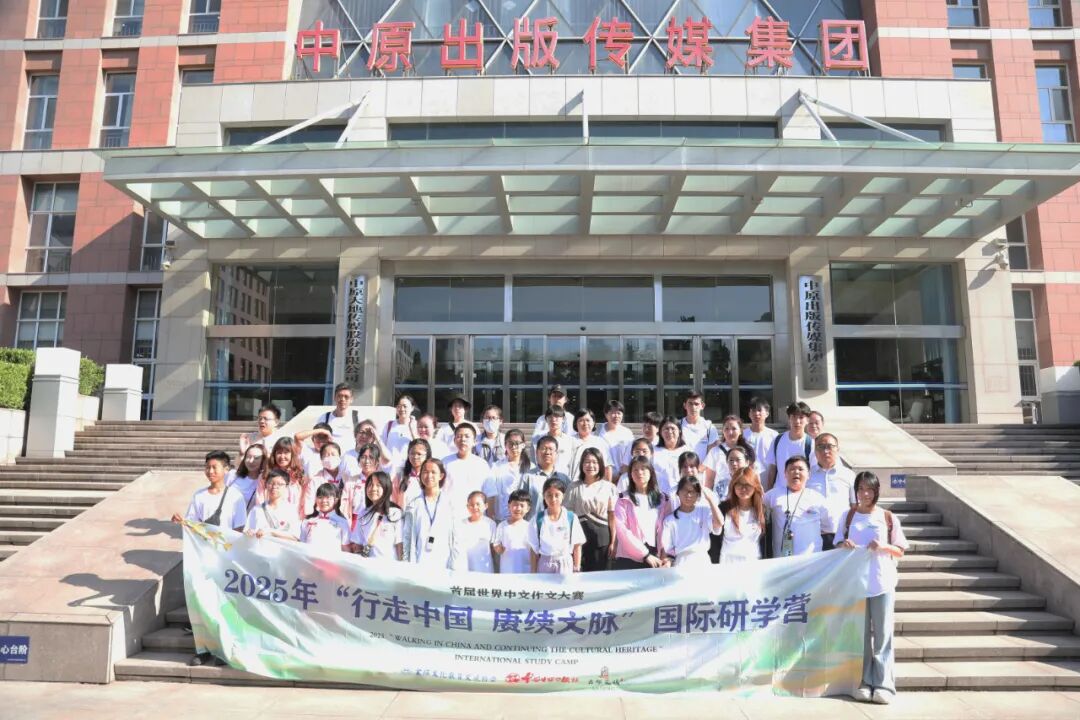
Though the First World Chinese Essay Competition Carnival and study tour have ended, the spark of Chinese has been kindled in the hearts of youth worldwide, and the cultural lineage will thrive anew through their pens. This gathering across oceans and continents has left behind countless moving texts, voices and footprints—and sown seeds of “understanding China, loving the world”. As more young people take Chinese as their wings and culture as their sails, becoming youthful envoys linking China and the world, the future landscape of human civilisational exchange and mutual learning will surely grow ever warmer and more beautiful. Let us meet again—renewing this global rendezvous, mediated by Chinese and animated by civilisation!
(Correspondent: Jiang Xiao)
Source: https://mp.weixin.qq.com/s/ElpmsPeSKQ-BCoCSLCZHjA · Read the original ↗