Second World Chinese Essay Competition & Study Tour Carnival Concludes
ColumnsWorld Chinese Composition Competition
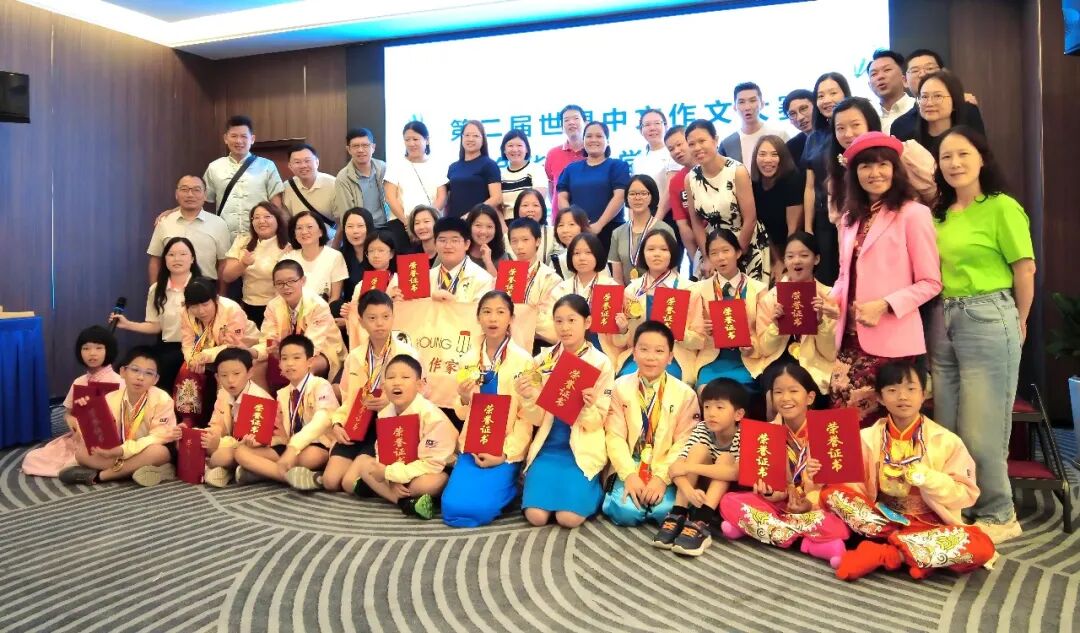
To deepen global Chinese-language education, promote the overseas dissemination of Chinese cultural heritage, and foster humanities exchanges between Chinese and international adolescents, the Second World Chinese Essay Competition & Study Tour Carnival was successfully held on 5 September, embodying the aesthetic education principle of 'cultivating virtue through literature and experience'. Present to guide proceedings and present awards were Lü Mingqiu, Deputy General Manager and Director of the Henan Youth Education News Media Group and Editor-in-Chief of Henan Youth Newspaper; Huang Xiaoyu, Deputy Director of Wenxin Publishing House; Dr Lan Jianmin of the Global Association of Cultural and Educational Exchange (GACEE); and Chen Hanli, founder of Malaysia’s Young Writers’ Studio.
The first segment featured the award ceremony for the Second World Chinese Essay Competition. Open to young people worldwide, the competition adopted a global perspective on Chinese-language education and invited submissions from students both in China and abroad. After multiple rounds of rigorous, impartial and professional evaluation by the Organising Committee, all award categories were announced.
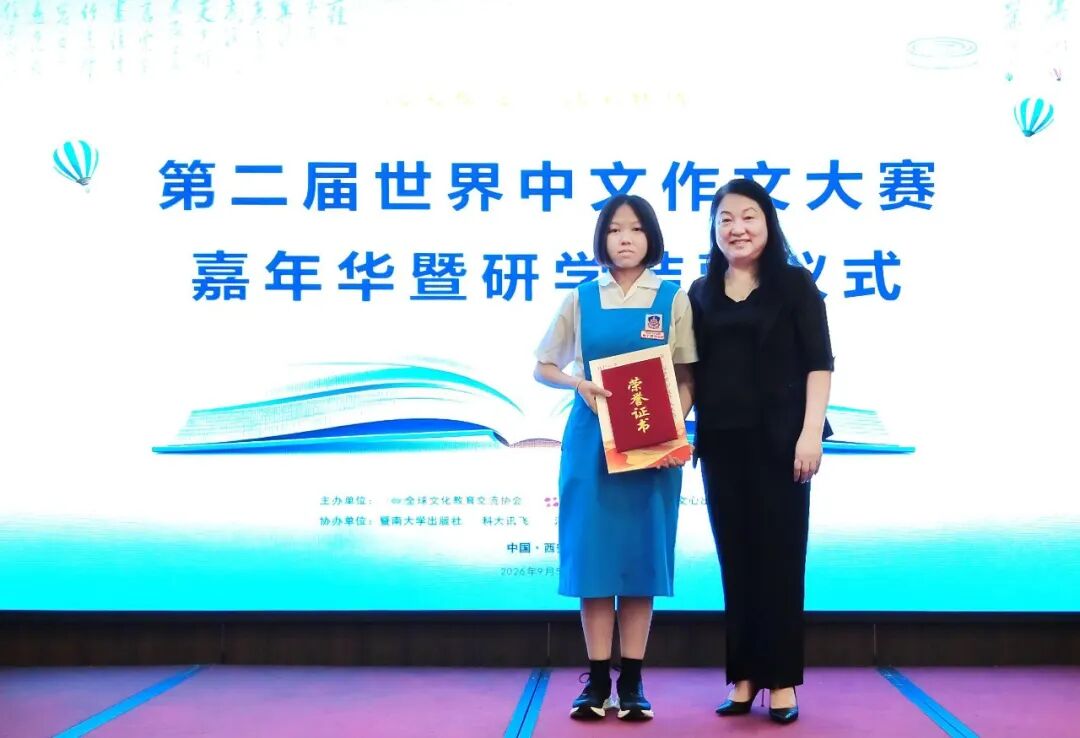
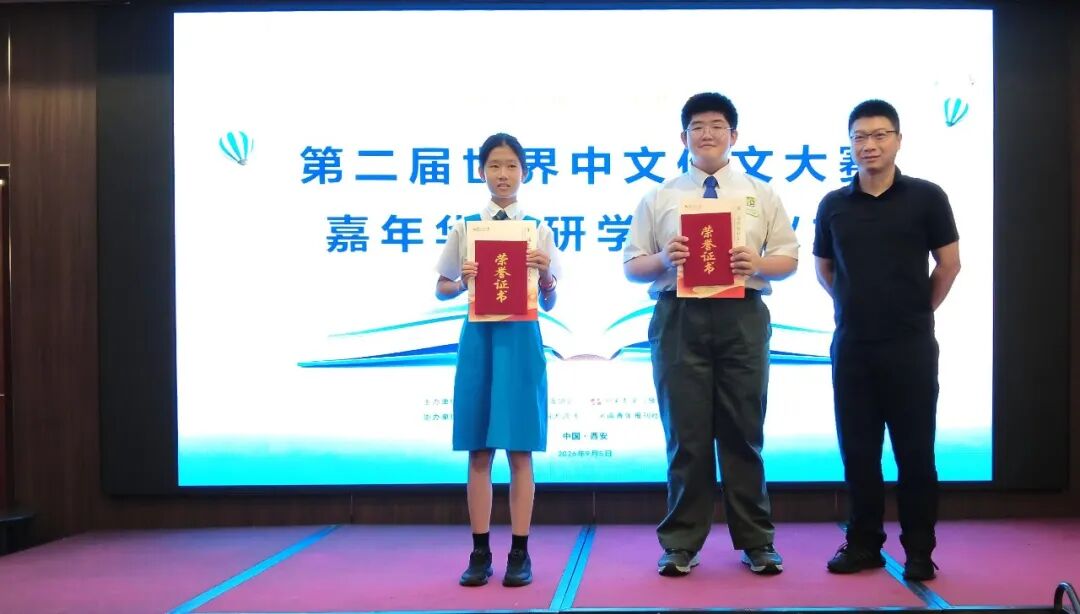
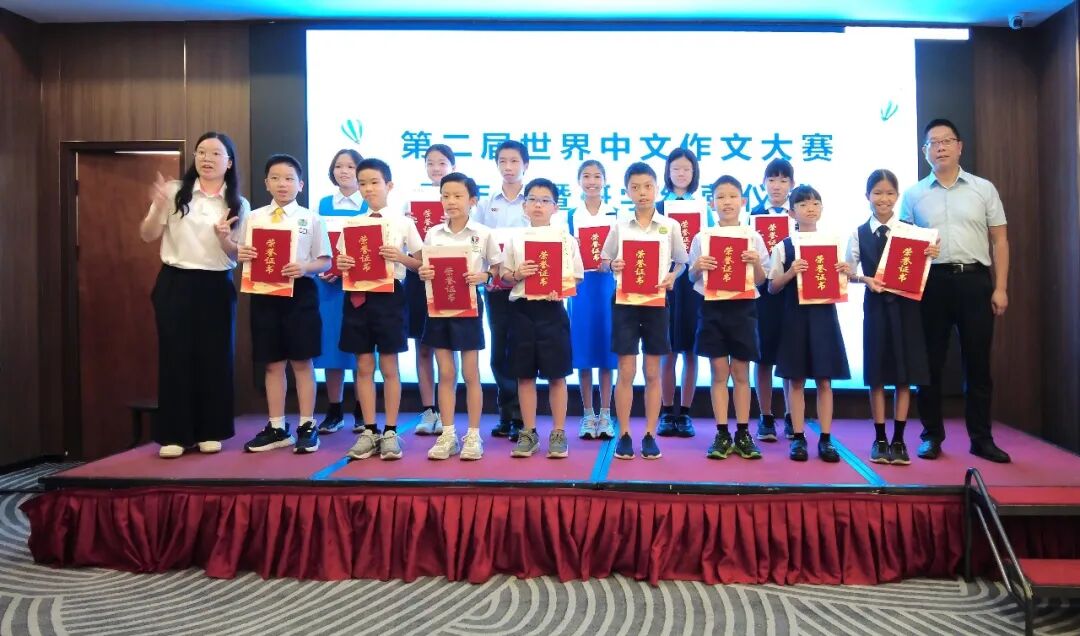
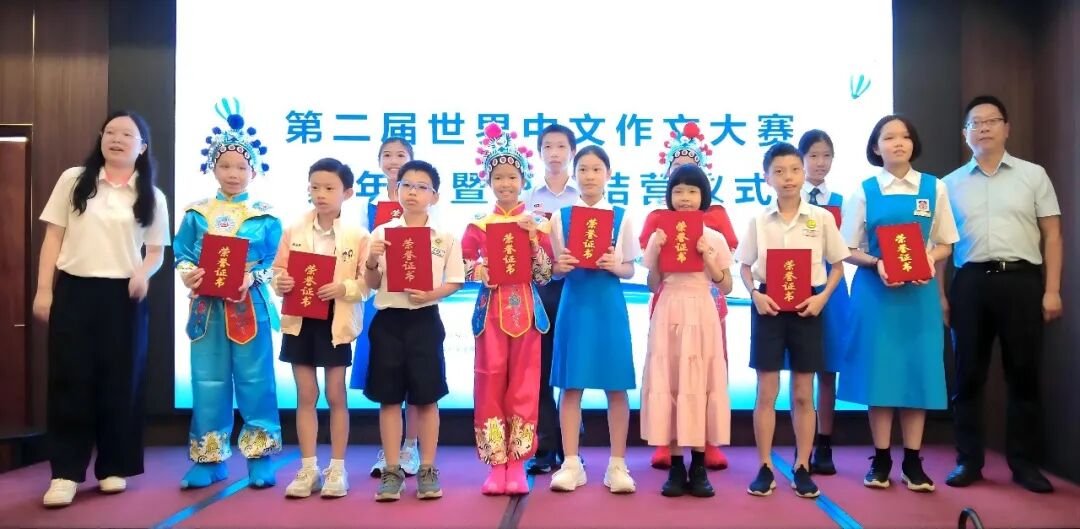
Awards across all categories were presented sequentially on site, with numerous outstanding students ascending the stage to receive their honours. To recognise excellence and encourage sustained dedication, teachers Chen Hanli and Lai Yunlin received the 'Outstanding Mentor Award' for their dedicated work in Chinese-language education and student writing guidance. Malaysia’s Young Writers’ Studio received the 'Excellence in Organisation Award' for its comprehensive coordination of the competition and active facilitation of transnational educational exchange.
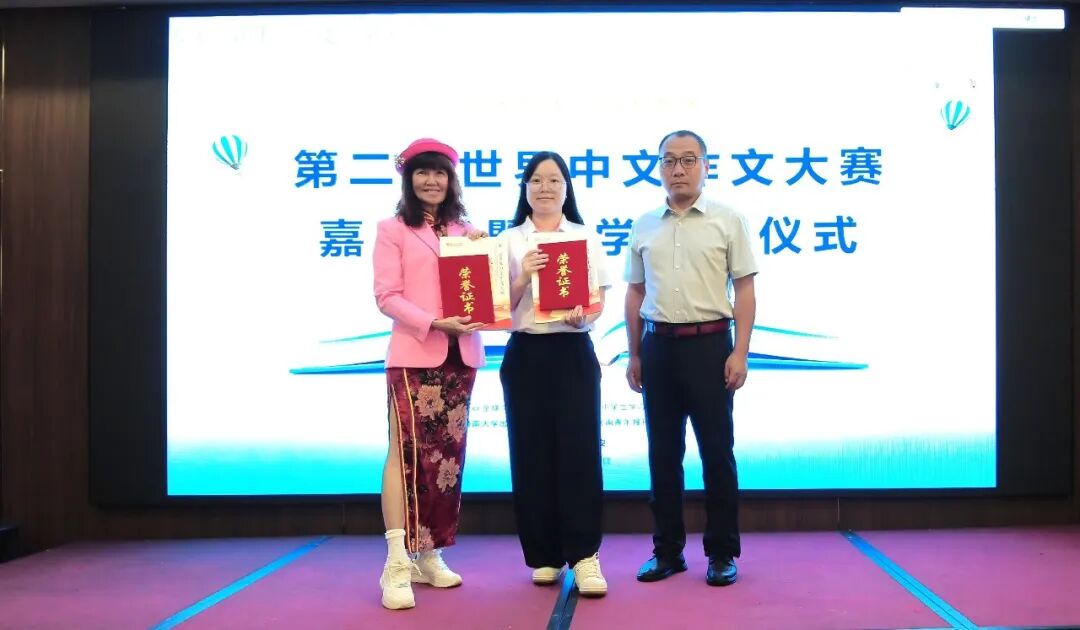
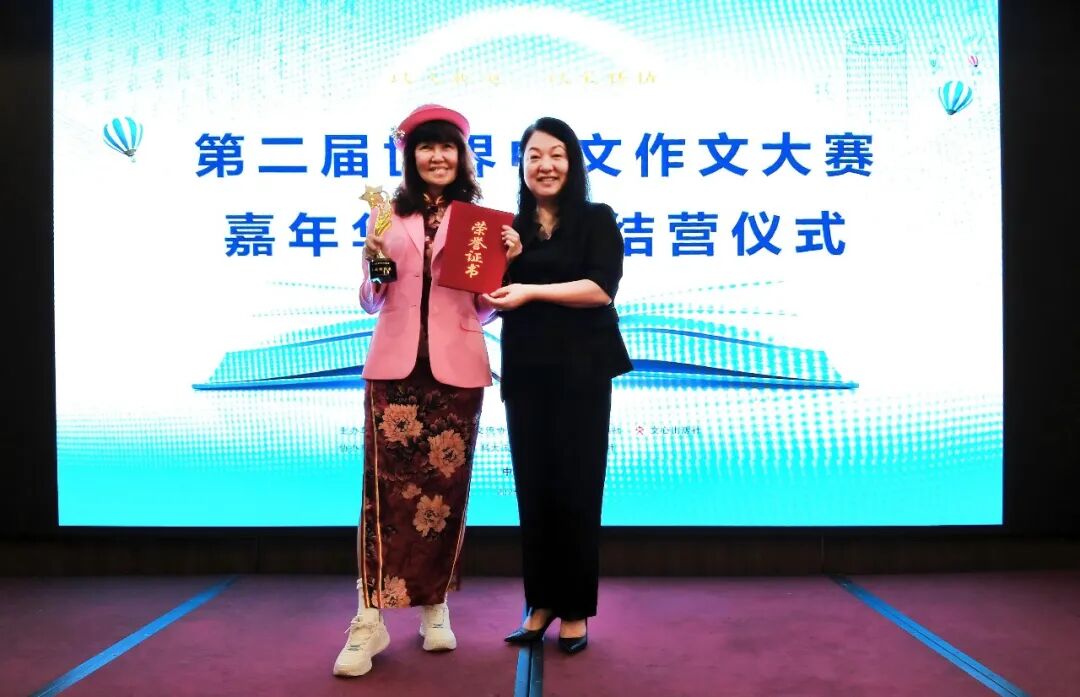
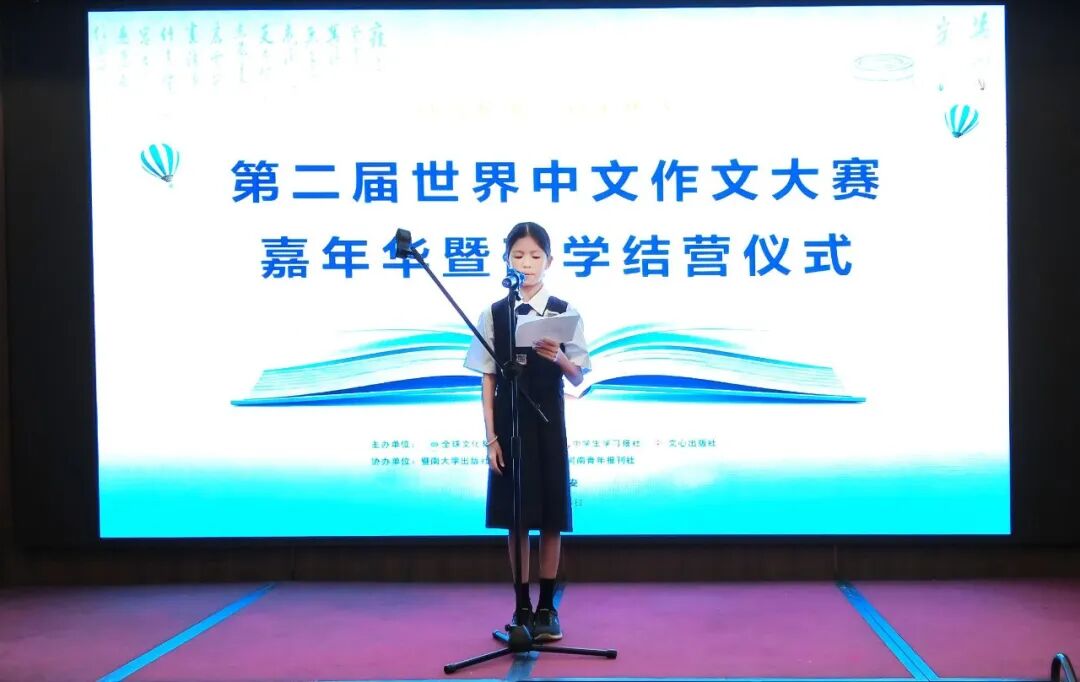
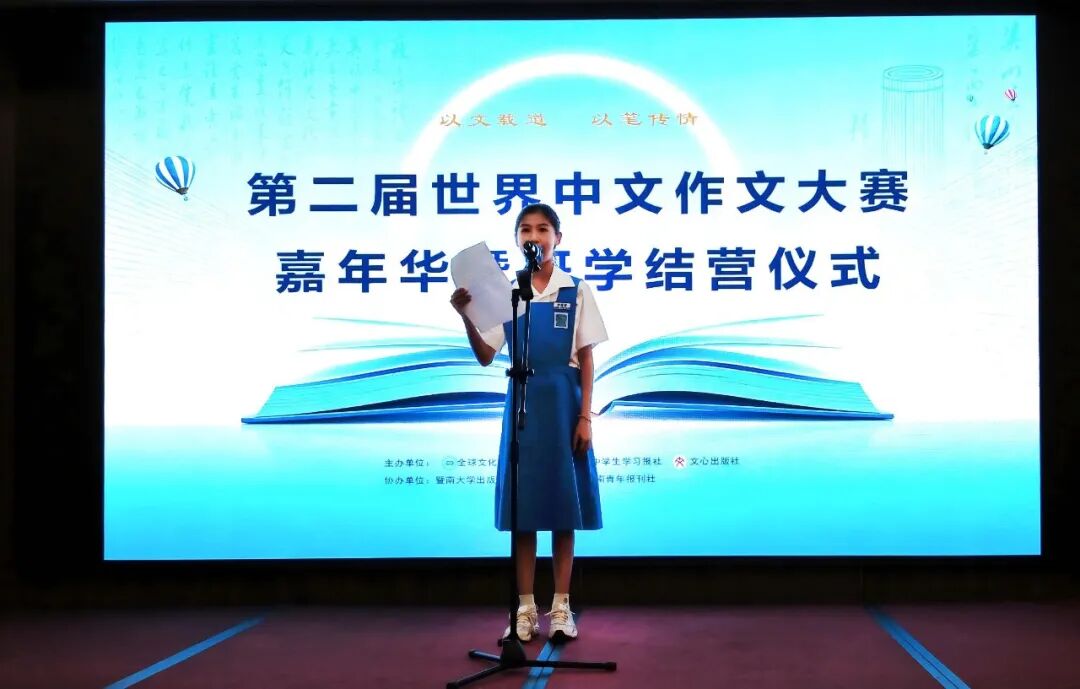
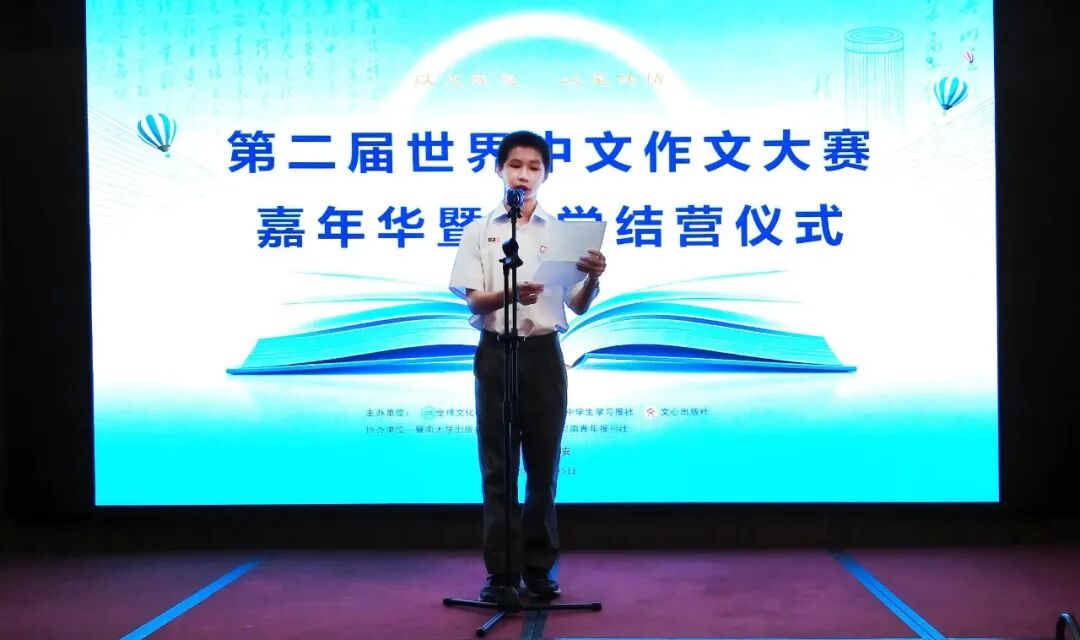
The second segment comprised an original essay recitation contest. Departing from traditional classical recitation formats, this event centred on the theme 'Reciting My Own Essay, Telling China’s Story', inviting participants to deliver their award-winning essays aloud on stage. Students performed confidently and poisefully, articulating clearly and expressively, vividly conveying landscapes, cultural reflections and patriotic sentiment embedded in their texts—achieving a powerful fusion of written word and spoken voice. Judges assessed performances holistically across four criteria: pronunciation, emotional interpretation, rhythmic control and stage presence, selecting top reciters fairly and transparently. This innovative format—using writing to enhance recitation and voice to convey feeling—brought static text to life and effectively strengthened students’ linguistic expression and stage presentation skills.
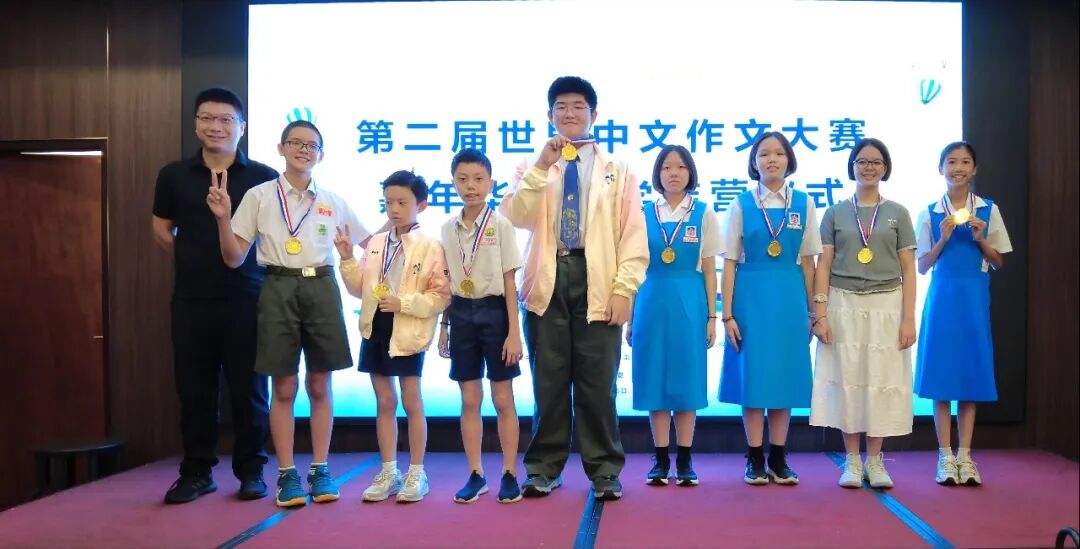
The third segment featured special awards and reflection-sharing for the study tour programme. This transnational study tour enabled students to move beyond the classroom and integrate knowledge with practice, offering immersive experiences in Hanfu culture, Yu opera, traditional crafts, museum-based inquiry and Great Wall poetry recitation. Through such hands-on learning, participants deepened their understanding of Chinese cultural heritage and cultivated cultural confidence. Based on students’ performance throughout the tour, the Organising Committee awarded honours including the 'Shaoyi Flowing Light Performance Award', 'Elegance of Han Culture Star', 'Ingenuity in Craftsmanship Star', 'Museum-Based Inquiry Star' and 'Heroic Recitation Star', comprehensively recognising their practical abilities and personal growth.
Following the award presentations, student representatives took the stage to share their study tour reflections. Drawing on recent first-hand experiences, they spoke candidly about cultural insights, creative inspiration and personal growth—offering thoughtful, heartfelt accounts that vividly illustrated the true spirit of study tours: 'Read ten thousand books; travel ten thousand miles.' Their remarks reflected the diligent, reflective, proactive and confident ethos of today’s Chinese and international youth.
Literature conveys principles; voice transmits emotion; action realises vision. Integrating literary creation, expressive recitation, experiential learning and intercultural exchange, this event established a high-quality platform for Chinese-language expression and dialogue among youth worldwide. It effectively advanced the transnational dissemination of fine traditional Chinese culture and deepened integration between Chinese-language education systems in China and abroad. Going forward, young people across borders will continue to write with purpose, inherit cultural essence, unite knowledge with action—and jointly author new chapters in humanity’s shared cultural exchange and civilisational mutual learning.

Source: https://mp.weixin.qq.com/s/z7sKR_eD2_xHOfMXVpLFLw · Read the original ↗