Second World Chinese Essay Competition International Study Camp Opens in Beijing
ColumnsWorld Chinese Composition Competition
On 30 August, the opening ceremony of the Second World Chinese Essay Competition International Study Camp was held in Beijing. Representatives from Henan Youth Education Media Group, Middle School Students' Study Paper (Zhongxuesheng Xuexi Bao), Global Association of Cultural and Educational Exchange (GACEE), Wenxin Publishing House, the Organising Committee of China's Middle School Students' Essay Competition, and Malaysia's Young Writers' Studio attended the event.
Centered on inheriting the Chinese literary tradition and deepening cultural exchange between Chinese and international adolescents, the camp brings together students, parents and education professionals from home and abroad to build a platform for Chinese language learning and literary exchange—supporting young people worldwide to engage deeply with Chinese culture and strengthen cross-border friendships.
Focusing on Chinese language dissemination and literary practice, the camp leverages the competition platform and experiential field-based learning to move participants beyond the classroom. Through immersive engagement with outstanding traditional Chinese culture, it strengthens the cultural foundation of overseas Chinese youth and promotes transregional dissemination of Chinese culture.
At the ceremony, Lü Mingqiu, Director and Deputy General Manager of Henan Youth Education Media Group and Editor-in-Chief of Henan Youth Newspaper; Dr Lan Jianmin of GACEE; Li Kaizhen, Chief Editor of Wenxin Publishing House; Hua Shuwei, Director of the Secretariat Office of China's Middle School Students' Essay Competition; and Chen Hanli, Founder of Malaysia's Young Writers' Studio delivered speeches. Addressing topics including Chinese language education development, adolescent literary cultivation, and Sino-foreign cultural exchange, the speakers commended the camp and encouraged participants to deepen their literary study, pursue diligent learning, and actively assume the mission of cultural transmission.
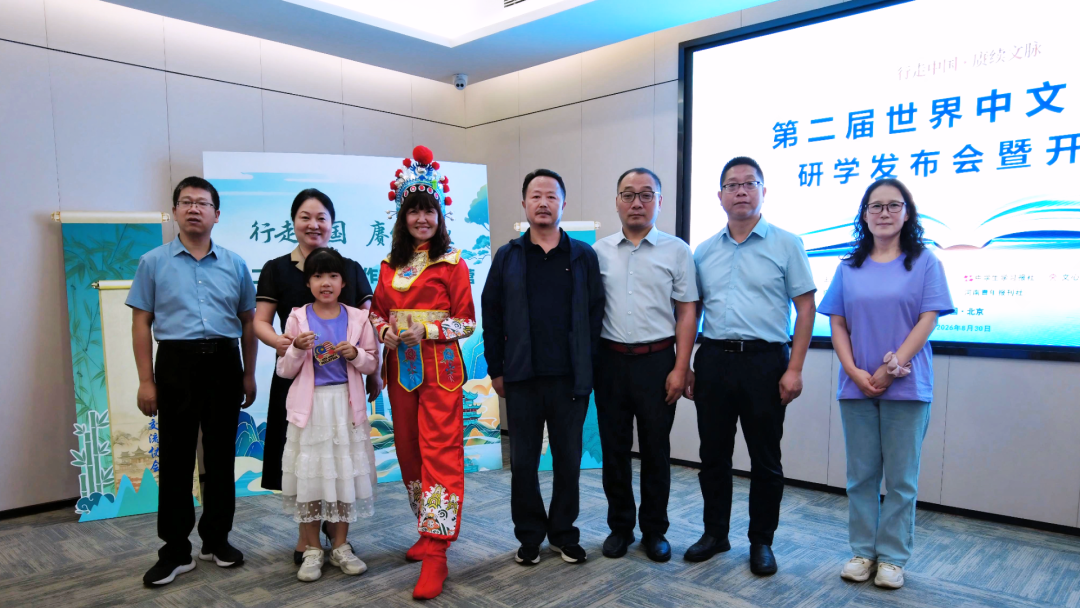
A special Sino-Malaysian cultural gift exchange took place during the event: the Competition Organising Committee presented traditional Chinese opera costumes to Malaysia's Young Writers' Studio. Using costume as a medium, the gesture vividly conveys the essence of Chinese folk culture, further deepens cultural exchange between Chinese and Malaysian youth, consolidates bilateral cultural interaction, and supports the overseas dissemination of traditional Chinese culture.
The event then moved to representative speeches. A parent shared insights on adolescent literary learning and holistic development based on their child’s growth journey, expressing strong support for the camp. A student representative reflected on their personal experience of learning Chinese writing, articulated their passion for it, and pledged to make the most of this opportunity through diligent study, critical thinking and continuous growth.
To ensure all participants clearly understand the itinerary and learning objectives, team leaders outlined the full schedule on site. The camp adopts a 'cultural learning + field visits' model, integrating the historical and literary resources of ancient capitals with practical literature courses—guiding students to learn through movement and accumulate knowledge through practice, achieving unity of knowledge and action. After the itinerary briefing, all leaders, guests and participants took a group photo to mark this milestone opening.
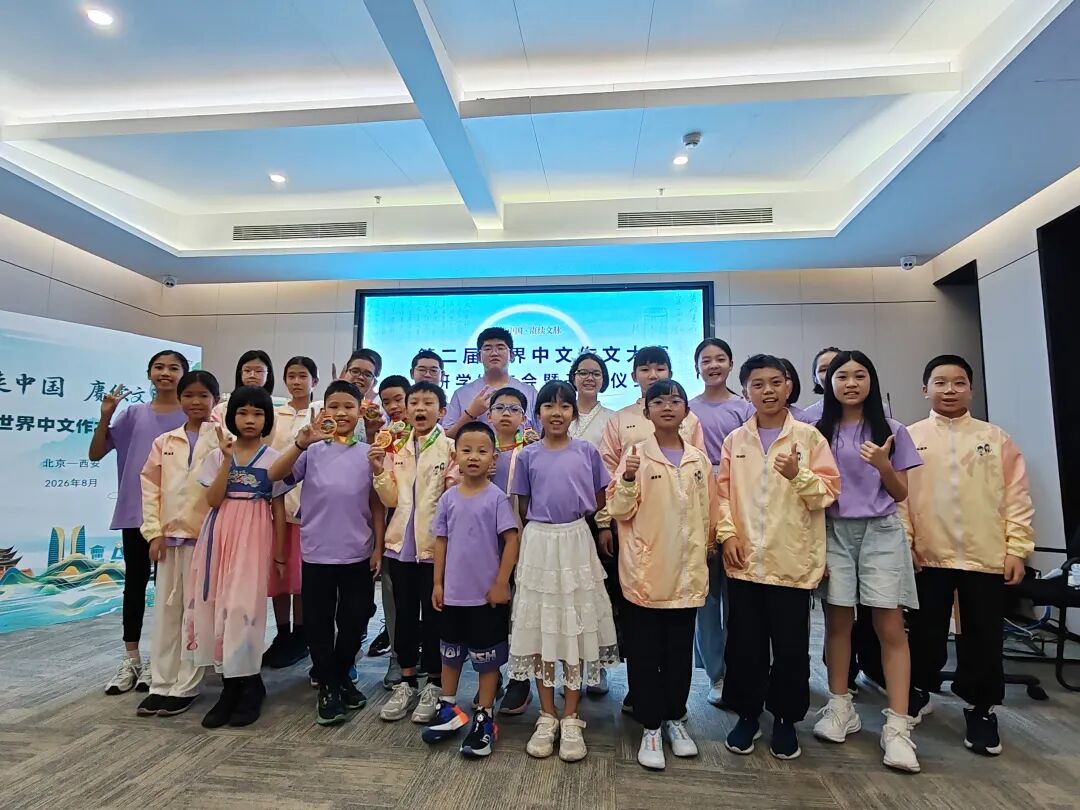
During the talent showcase, multiple participants took the stage in turn. Poetry recitation, classical text reading, inspirational speeches, song performances and dance presentations followed one another—demonstrating solid literary foundations and vibrant youthful energy through diverse artistic forms, and vividly embodying today’s adolescents’ commitment to and love for traditional culture.
At the closing of the ceremony, all participants jointly pledged—in resolute words—to study diligently, uphold the literary tradition, and live up to their prime years.
The World Chinese Essay Competition International Study Camp will draw upon Beijing’s and Xi’an’s rich historical and cultural resources to deliver a series of cultural study tours, experiential learning activities and interactive exchanges—continuously building bridges for Chinese-language communication among youth worldwide.
Going forward, the initiative will continue prioritising the enhancement of adolescents’ Chinese language proficiency and the promotion of Sino-foreign cultural exchange—ensuring the enduring transmission of Chinese literary heritage and enabling more overseas youth to appreciate the charm of the Chinese language and immerse themselves in Chinese culture.
Source: https://mp.weixin.qq.com/s/3YHlWE0tJhJIc4u1Qrxbpw · Read the original ↗