Second International Study Camp of First World Chinese Essay Competition Opens in Beijing
ColumnsInternational Study ToursWorld Chinese Composition Competition
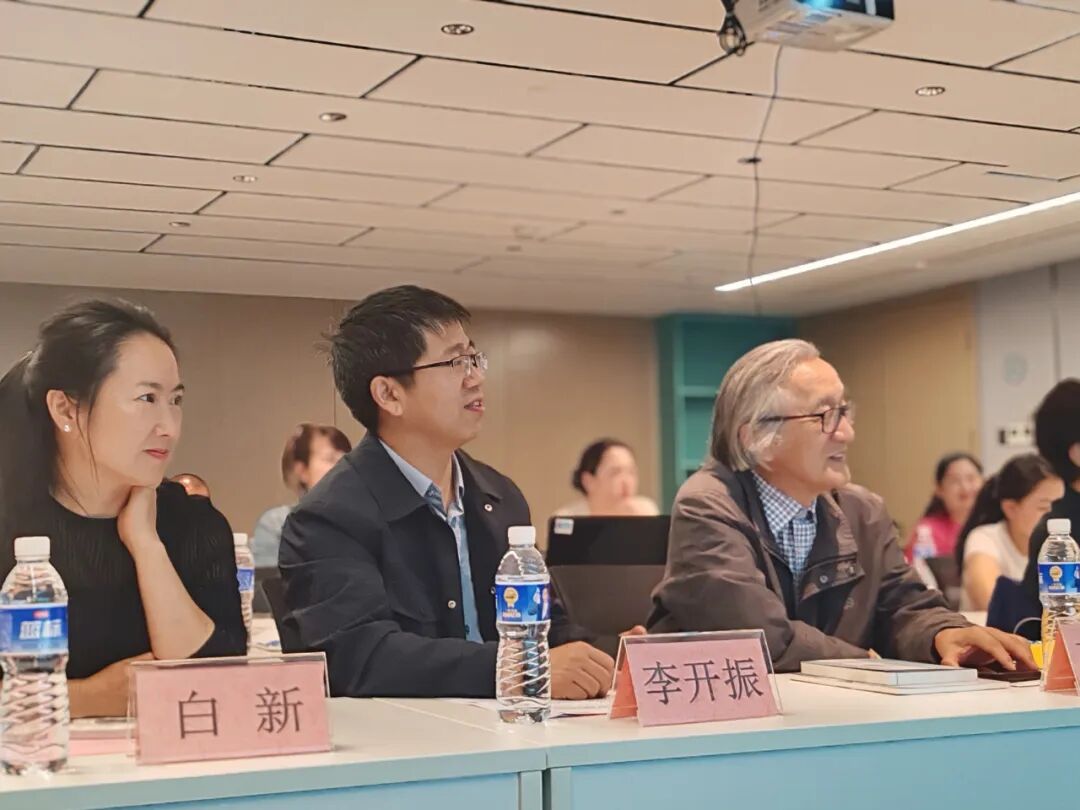
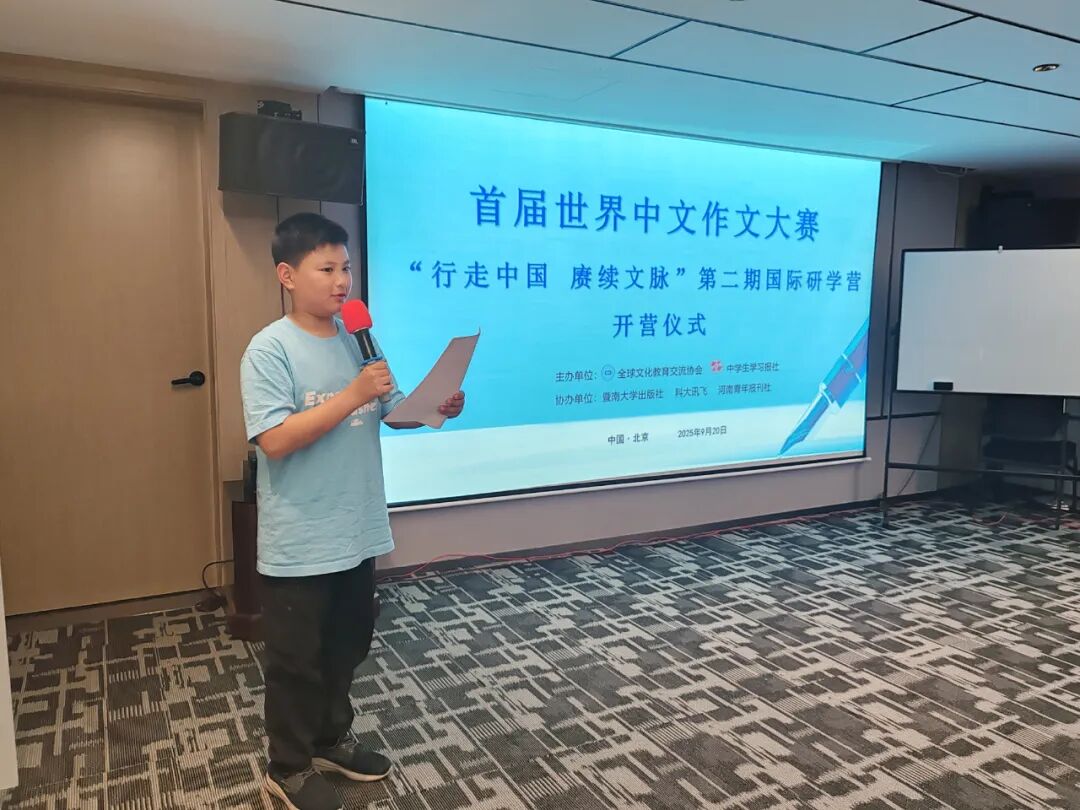
On 20 September, the opening ceremony of the second phase of the 'Walking China, Inheriting the Literary Tradition' international study camp for the inaugural World Chinese Essay Competition was held in Beijing. Sun Haoliang, founder and Chair of the Board of Governors of Melbourne’s Xingjinshan Chinese School; Si Wei, Director of the China Middle School Students’ Essay Competition Organising Committee; Bai Xin, Secretary-General of the Global Association of Cultural and Educational Exchange (GACEE); and Li Kaizhen, Publisher of the Middle School Students’ Study Paper (Zhongxuesheng Xuexi Bao), were among the guests present. Sun Haoliang, who has dedicated thirty years to Chinese-language education overseas, drew particular attention.
The inaugural World Chinese Essay Competition was launched on 3 May by GACEE and the Middle School Students’ Study Paper. Within just over 40 days, it attracted more than 5,000 entries from over 100 schools across more than 30 countries on five continents—making it a landmark cultural event in global Chinese-language education. 'Young people use writing as wings to build bridges between cultures—this is precisely the original aspiration of pioneers like Chair Sun Haoliang,' remarked the event’s host, highlighting the deep connection between the competition and Sun’s lifelong practice in Chinese-language education.
Joint Organisation Breaks New Ground: Building Bridges Through a Millennia-Old Literary Tradition
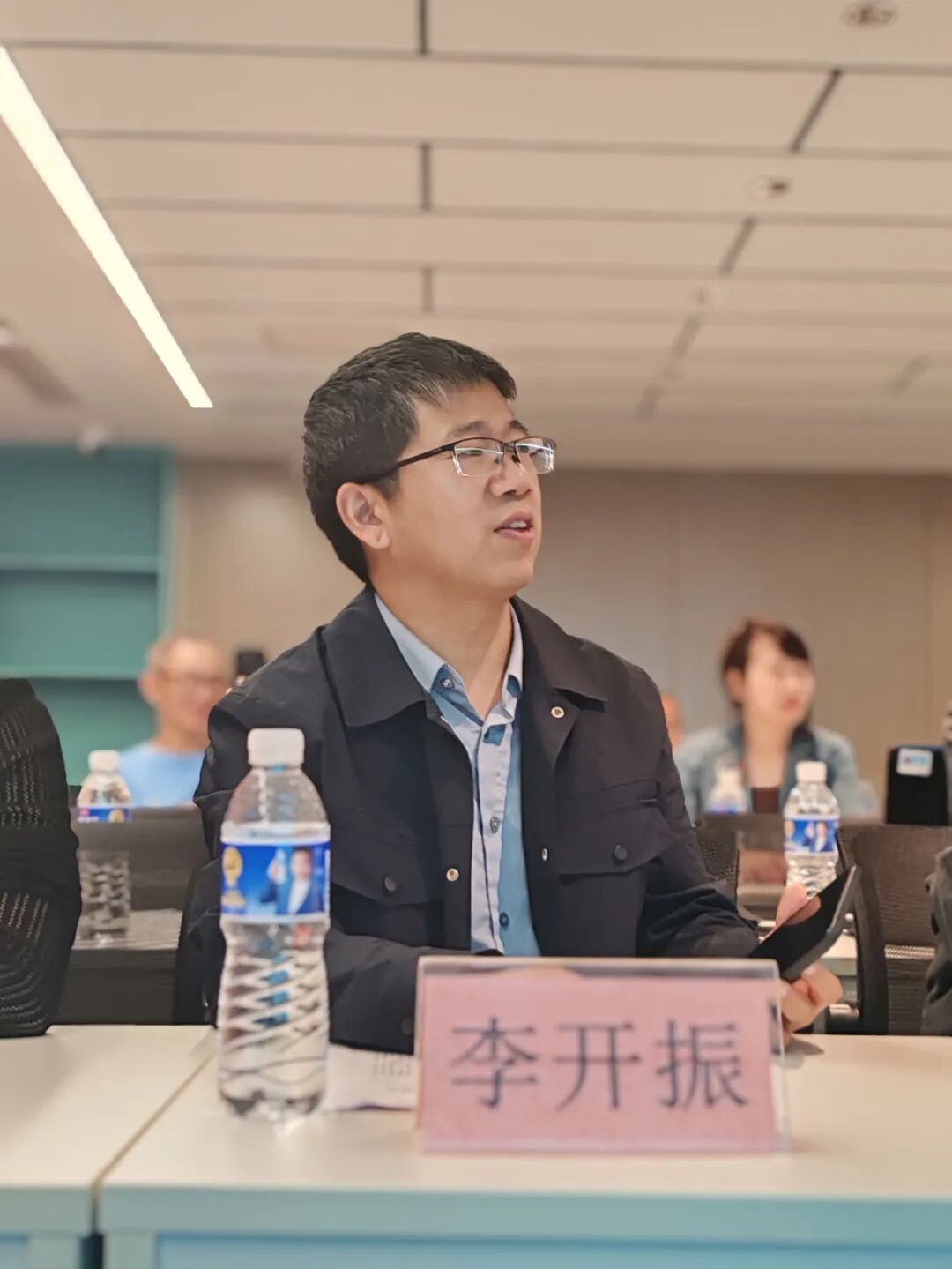
At the opening ceremony, Li Kaizhen, Publisher of the Middle School Students’ Study Paper, spoke about the competition’s founding vision: 'We aim to root Chinese writing firmly in national soil while simultaneously opening it to the global stage—ensuring this millennia-old literary tradition continues to grow through the pens of young people worldwide.'
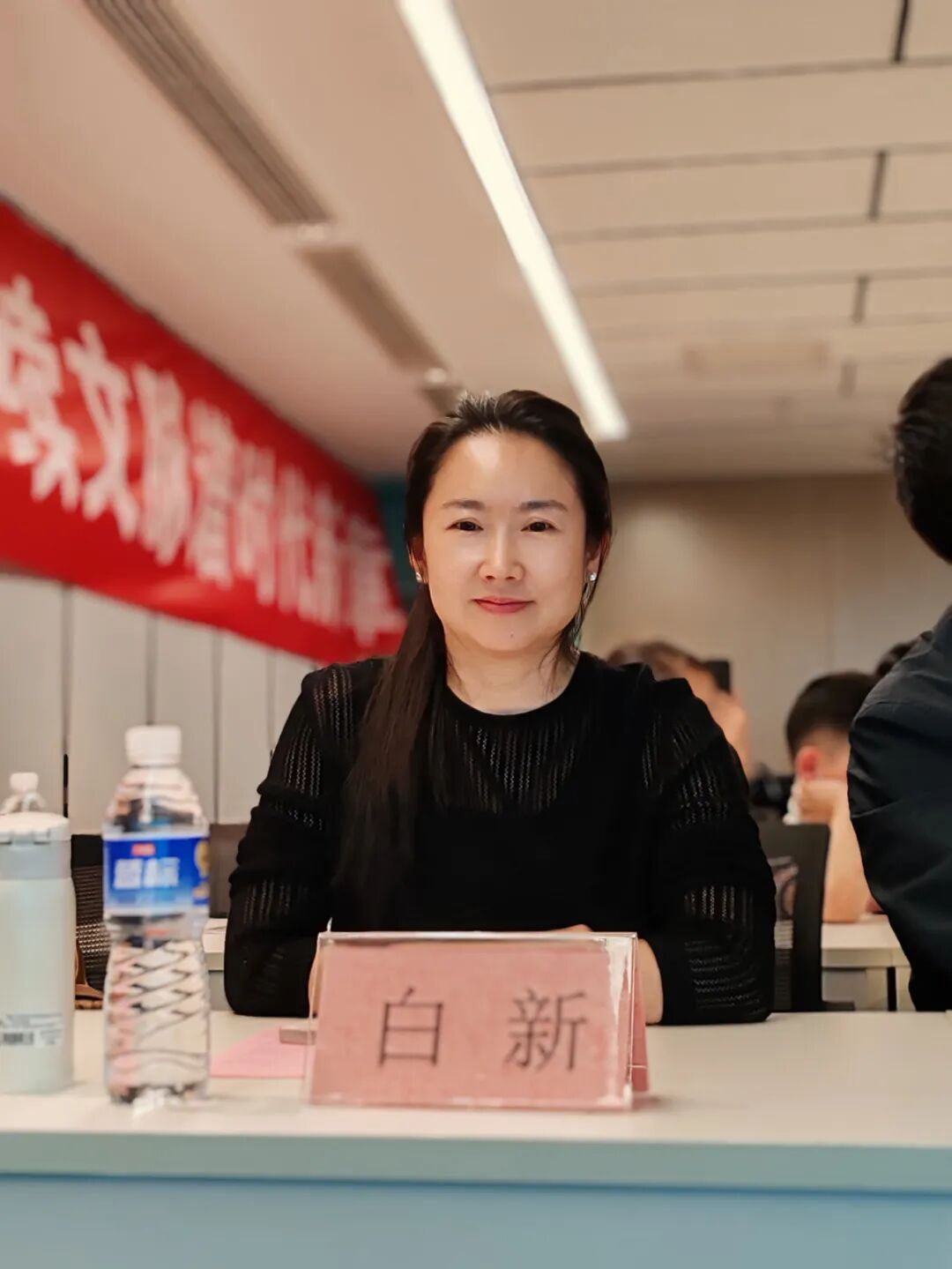
Bai Xin, Secretary-General of GACEE, elaborated on the competition’s role in promoting mutual learning among civilisations: 'Overseas students can enhance their writing skills using China’s well-established evaluation criteria, while domestic students gain exposure to diverse perspectives through overseas submissions—a vivid example of cultural exchange and mutual learning.'
Si Wei, Director of the China Middle School Students’ Essay Competition Organising Committee, affirmed both the competition and the study camp, and reflected warmly on the distinguished history of the China Middle School Students’ Essay Competition. He expressed hope that the two competitions would eventually be integrated, jointly building broader writing bridges for young people at home and abroad—and making greater contributions to cultural and educational exchange between China and other countries.
Sun Haoliang, the Longstanding Practitioner: Thirty Years Advancing “Let the World Speak Chinese”
When the host introduced Sun Haoliang, applause filled the hall. A pioneer in overseas Chinese-language education, Sun founded Melbourne’s Xingjinshan Chinese School in 1992 with only six students. Today, the school operates ten campuses and serves over 6,000 students—ranking among the world’s largest overseas Chinese-language schools. In 2006, he spearheaded the establishment of an education foundation, introducing innovative approaches such as integrating language instruction with cultural activities and building Chinese-language libraries—bringing Chinese education beyond the classroom and into daily life. For decades, he has embodied his pledge to 'Let the World Speak Chinese', becoming an indispensable bridge between Chinese and Australian cultures.
In his speech, Sun Haoliang observed thoughtfully that organising overseas Chinese youth to participate in Chinese essay competitions and study tours in their ancestral homeland not only helps them master and apply the language effectively, but also enables them to experience firsthand the profundity of Chinese culture and the prosperity of their ancestral country—deepening their ethnic confidence and pride, and inspiring aspirations to contribute to national rejuvenation and human civilisation.
Notably, Sun’s Xingjinshan Chinese School is one of the competition’s first overseas core partner institutions. It mobilised nearly 1,000 students to participate—making it the largest participating unit in the Oceania region.
Shared Voices: Families, Schools and Teachers on Inheriting the Chinese Language
Teacher Shen Huilin encouraged participants: 'Language is a cultural bridge; study tours must bring words to life—understanding the weight of the Forbidden City’s vermilion walls, feeling the warmth of everyday life in Beijing’s hutongs. Approach learning with curiosity, act with responsibility, and grow with gratitude—let your essays carry cultural warmth and uphold the mission of “Let the World Speak Chinese.”'
Parent representative Yang Mei shared her reflections: 'Travelling halfway across the globe from Melbourne, the Forbidden City and oracle bone inscriptions from textbooks have become vivid and real. Learning Chinese is a meeting of heart and culture.'
Student representative Qiu Haohao said candidly: 'I once saw Chinese homework as a burden—until I could read Zhu Ziqing’s essay “Spring” and won an award for my own writing. That’s when I fell in love with Chinese. This time, I’ll write about the Temple of Heaven and the Longmen Grottoes and take those stories back to Melbourne.'
Ceremony Highlights: Award Presentation and Flag Handover Signify Mission
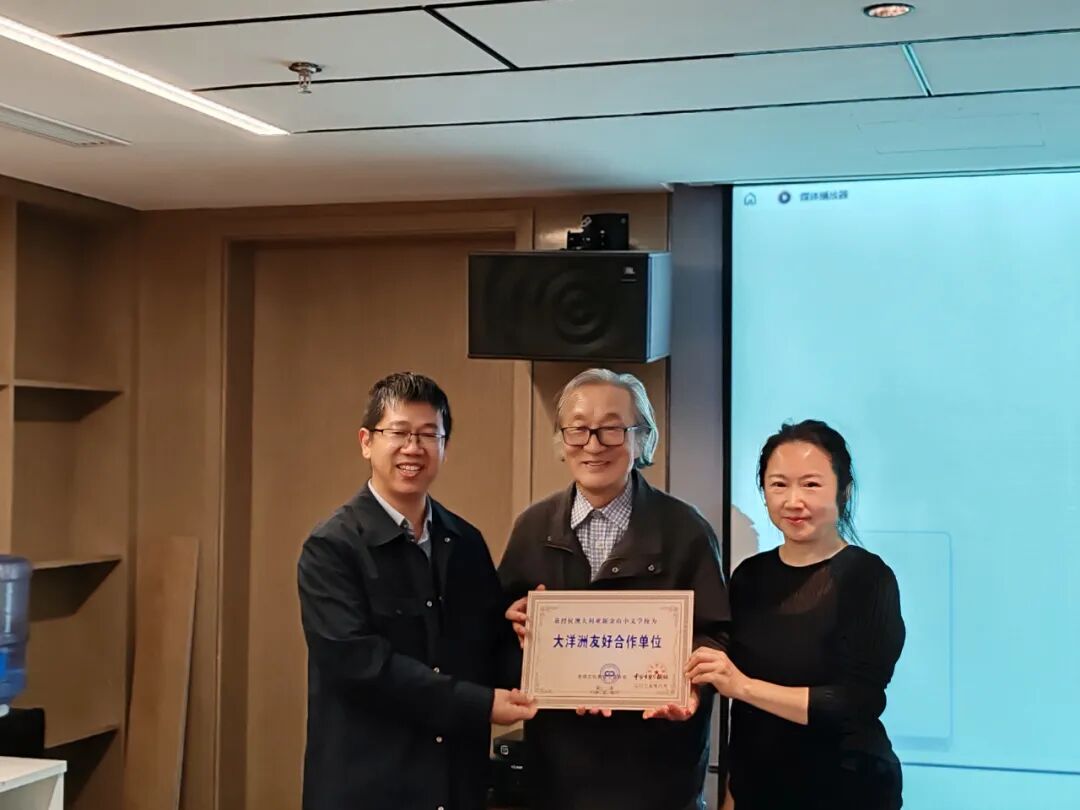
Several segments of the ceremony resonated closely with Sun Haoliang’s practice in Chinese-language education. When Sun joined Bai Xin and Li Kaizhen on stage, all eyes turned to him—Xingjinshan Chinese School was awarded the title 'Friendly Cooperation Unit for Oceania' in recognition of its outstanding contribution to promoting the competition and its excellence in overseas Chinese-language education. Accepting the plaque, Sun said emotionally: 'In the future, we will encourage more overseas schools to join—so that Chinese writing becomes a bond connecting young people across China and the world.'
A thematic video titled 'Brush and Ink Unfold Chapters: Global Chinese Stories in Light and Shadow' traced the evolution of Chinese characters from oracle bone script to regular script. Scenes alternated between overseas students’ depictions of China and domestic students’ portrayals of the world—visibly demonstrating the power of cultural convergence.
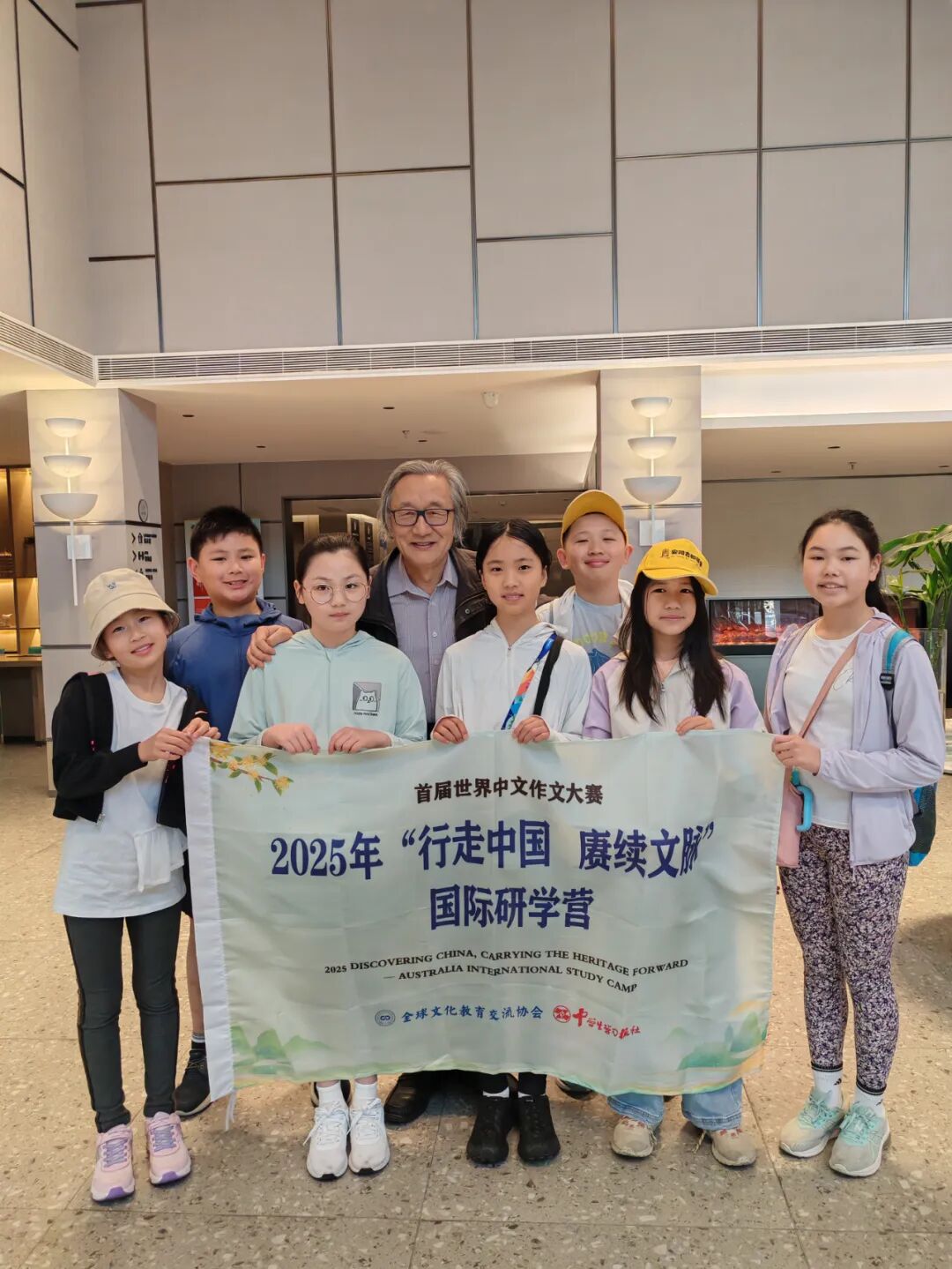
In the most anticipated segment—the flag handover—Wang Ziao and Guan Zimo, student representatives from Xingjinshan West Chinese School, received the camp flag from Bai Xin and Li Kaizhen. With the official declaration of the camp’s opening, student Yang Xue delivered a poetic recitation of 'The Chinese Language', followed by English song performance by Xie Yino—sounding a chord of cross-cultural resonance.
Study Tour Launches: Writing as a Medium for Continuing Cultural Journeys
To enhance the practical value of the study tour, organisers designed challenge-based tasks aligned with the competition’s features: students complete observation and Q&A activities at heritage sites, then transform their reflections into competition entries. Successful participants receive certification as 'Young Ambassadors of World Civilisations' and a personalised newspaper.
'Tell stories in Chinese—and listen as you tell us about your country.' The collective oath taken by all students put into practice Sun Haoliang’s vision of Chinese-language exchange and the competition’s mission.
Enduring Literary Tradition: The Chinese-Language Bridge Connects the World’s Future
'This is not an ending, but a fresh start for “Walking China”—and a new beginning for the competition’s contribution to global Chinese-language education.' Behind these closing remarks lies a profound transnational practice of Chinese-language education.
Language carries civilisation; literary tradition embodies national roots and spirit. As the Forbidden City’s red walls reflect in the eyes of overseas students, and as the warmth of Chinese characters connects hearts across five continents, the aspiration to 'Let the World Speak Chinese' grows ever clearer through travel and writing. At a time of deepening globalisation, such study tours and competitions not only inject fresh vitality into international Chinese-language education, but also—using words as bridges—integrate the wisdom and inclusiveness of Chinese culture into humanity’s shared narrative, laying a warm cultural foundation for building a community with a shared future for mankind. This steadfast commitment across oceans and mountains will ultimately allow China’s millennia-old literary tradition to shine ever more brilliantly on the world stage.
(Correspondent: Li Na)
Li NaRen LuLi Kaizhen

Source: https://mp.weixin.qq.com/s/_ZOpacbvKoenXYhVXultwA · Read the original ↗